
Plenty of the time, when folks have a look at a pleasant watch, the phrases “handcrafted” or “hand completed” come up. However the quantity of precise guide work that goes into most trendy watches is intentionally stored to a minimal.
There are two causes for this. To begin with, hand meeting and hand ending are each slower than partially or totally automated manufacturing processes, and once you’re making tens or tons of of 1000’s of watches a yr, they’re merely impractical.
The second purpose is that they’re usually much less exact, and fewer more likely to produce dependable watches, than automation. This isn’t to say that there isn’t some hand work concerned – setting watch arms is commonly performed manually or semi-manually, and there are different meeting processes, even in very giant sequence manufacturing, which might be performed by people, not robots. However for sensible causes, the watch trade has, the truth is, moved as shortly away from making issues by hand as attainable. The large American watch factories run by firms like Waltham and Elgin, which produced watches by the tens of millions, had been by the late nineteenth century, miracles of industrialization, not craft, and European makers adopted swimsuit as shortly as they may.
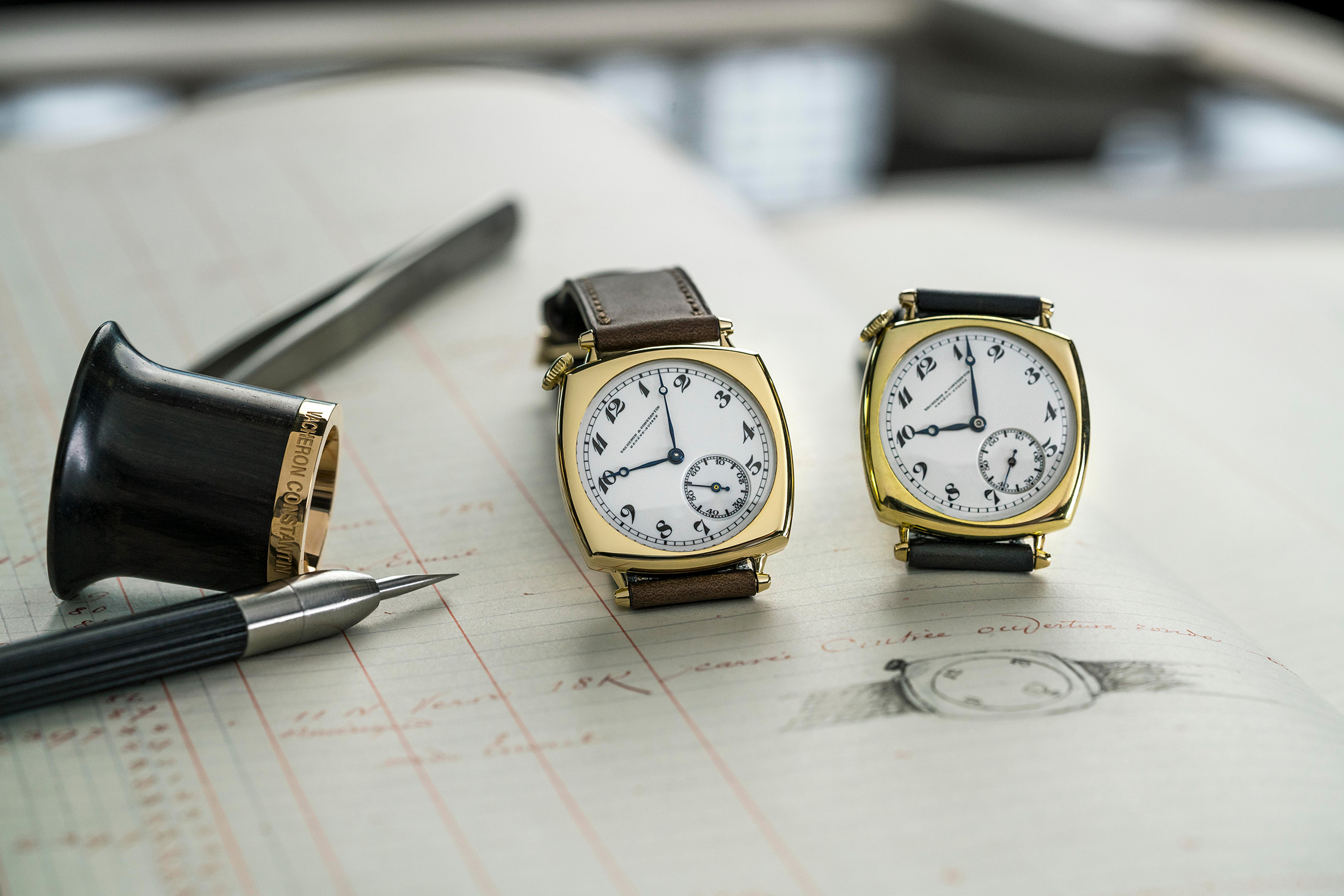
Left, the Pièce Distinctive; proper, the unique mannequin
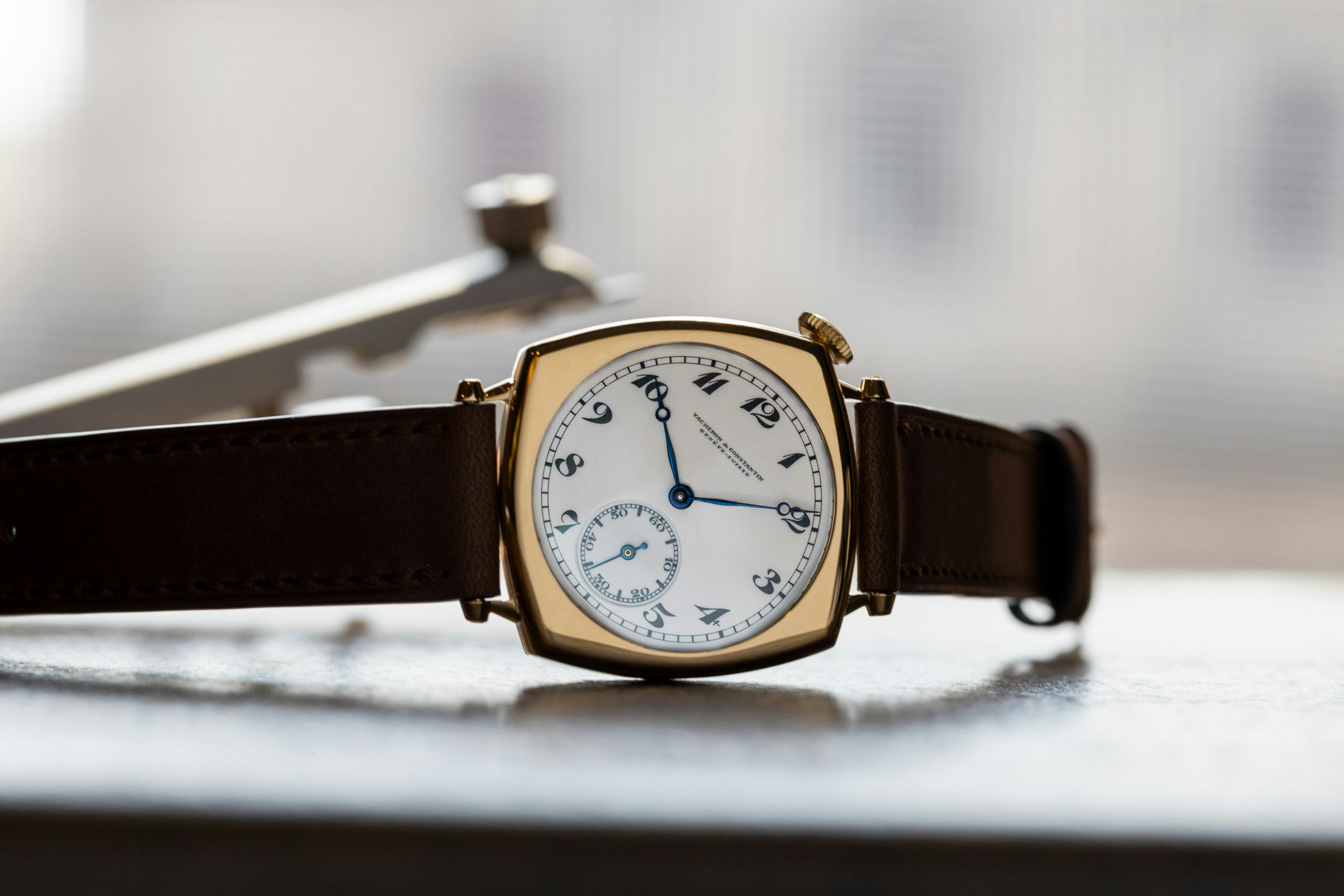
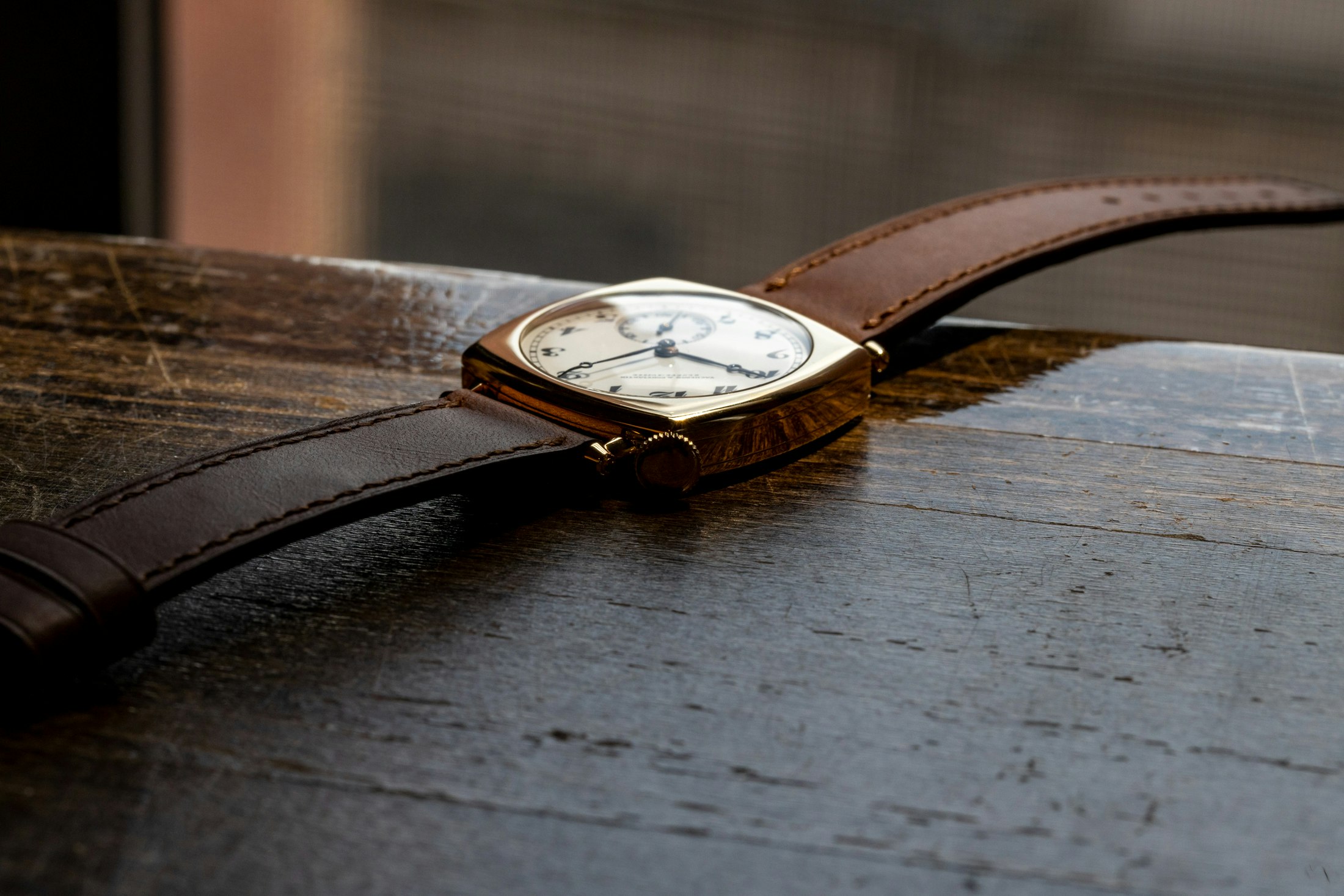
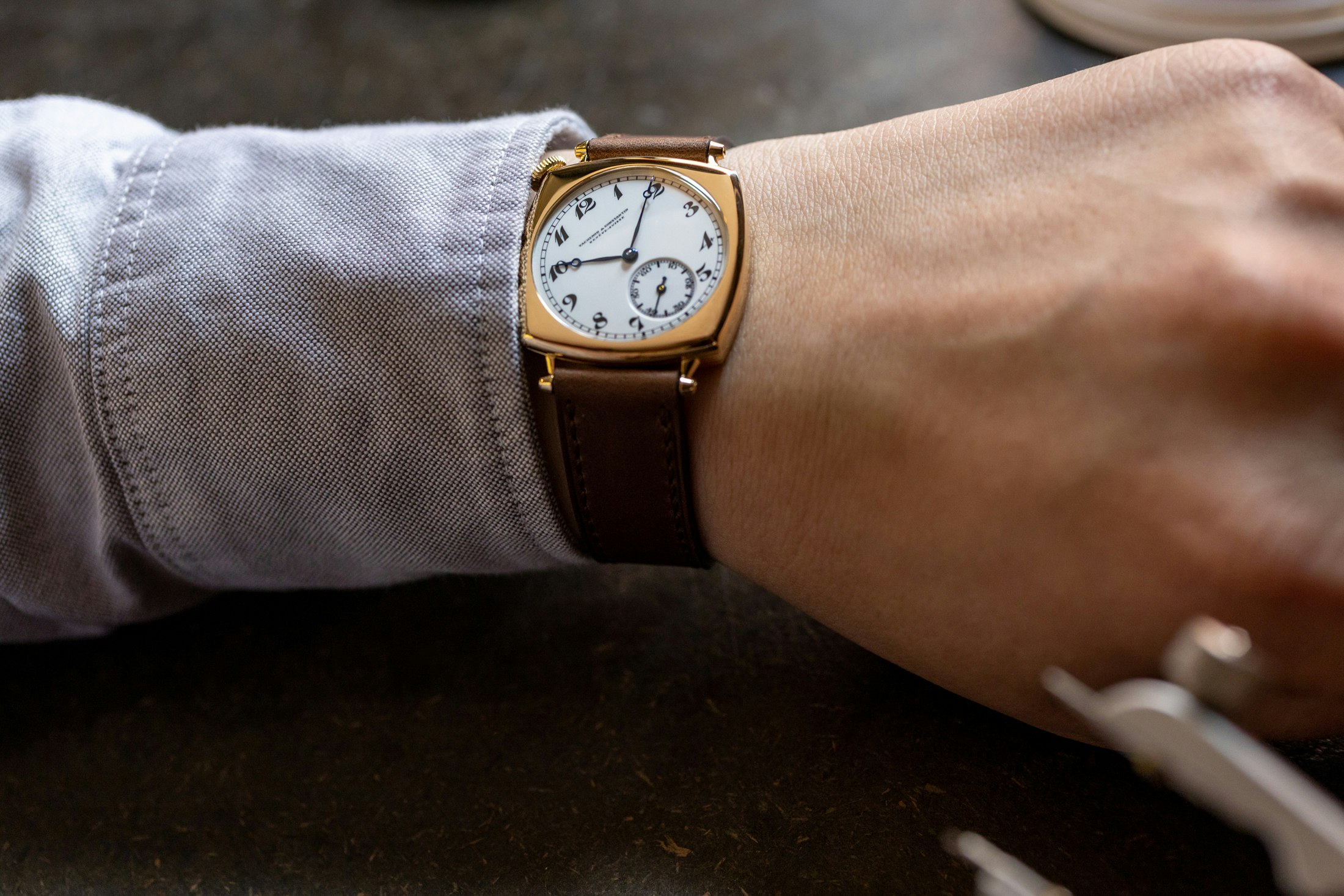
Which is why Vacheron Constantin’s new distinctive piece is so outstanding. The Pièce Distinctive 1921 is a precise reproduction of the watch created in 1921, which was the inspiration for a number of fashions within the Historiques assortment, identified collectively because the American 1921 watches.
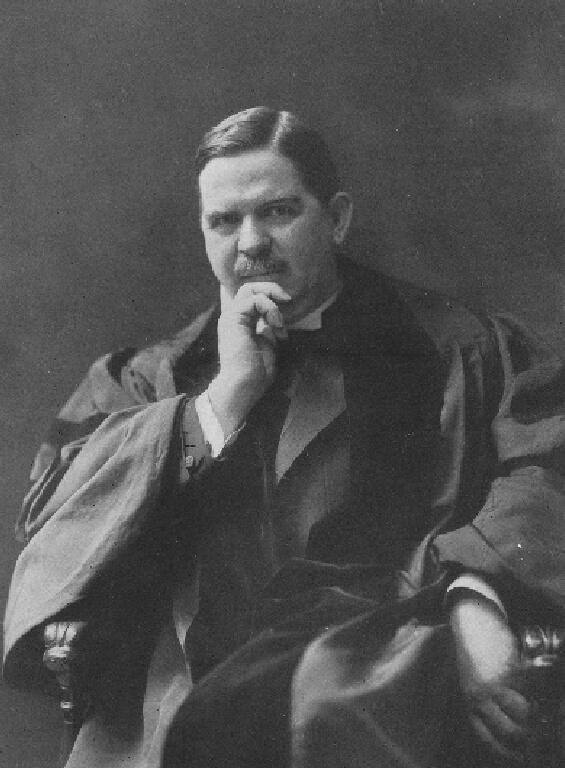
The Rev. S. Parkes Cadman, 1910.
The fashionable variations, like just about all luxurious watches, are made utilizing a mix of automated processes (mainplates and bridges, as an illustration, are lower utilizing computer-controlled CNC machines) and hand ending and adjustment. The Pièce Distinctive 1921, nonetheless, was made nearly fully by utilizing guide methods from the Twenties and earlier – and, furthermore, with elements which as a lot as attainable got here from the big cache of latest outdated inventory components in Vacheron’s archives. This consists of all of the cell components of the motion (gears and pinions, in addition to the stability and escapement) in addition to the blued metal arms. The watch taken as a mannequin for the Pièce Distinctive was made in 1921 and offered in 1928 to the Rev. S. Parks Cadman, a well-known American liberal Protestant minister, who pioneered using radio as a method of spreading the Gospel. Cadman was on the forefront of advances in communication, and the wristwatch he purchased from Vacheron Constantin on April 18, 1928, exhibits that his style for innovation prolonged to wristwatches as effectively.
The Start Of The Wristwatch, And The Unique ‘1921’
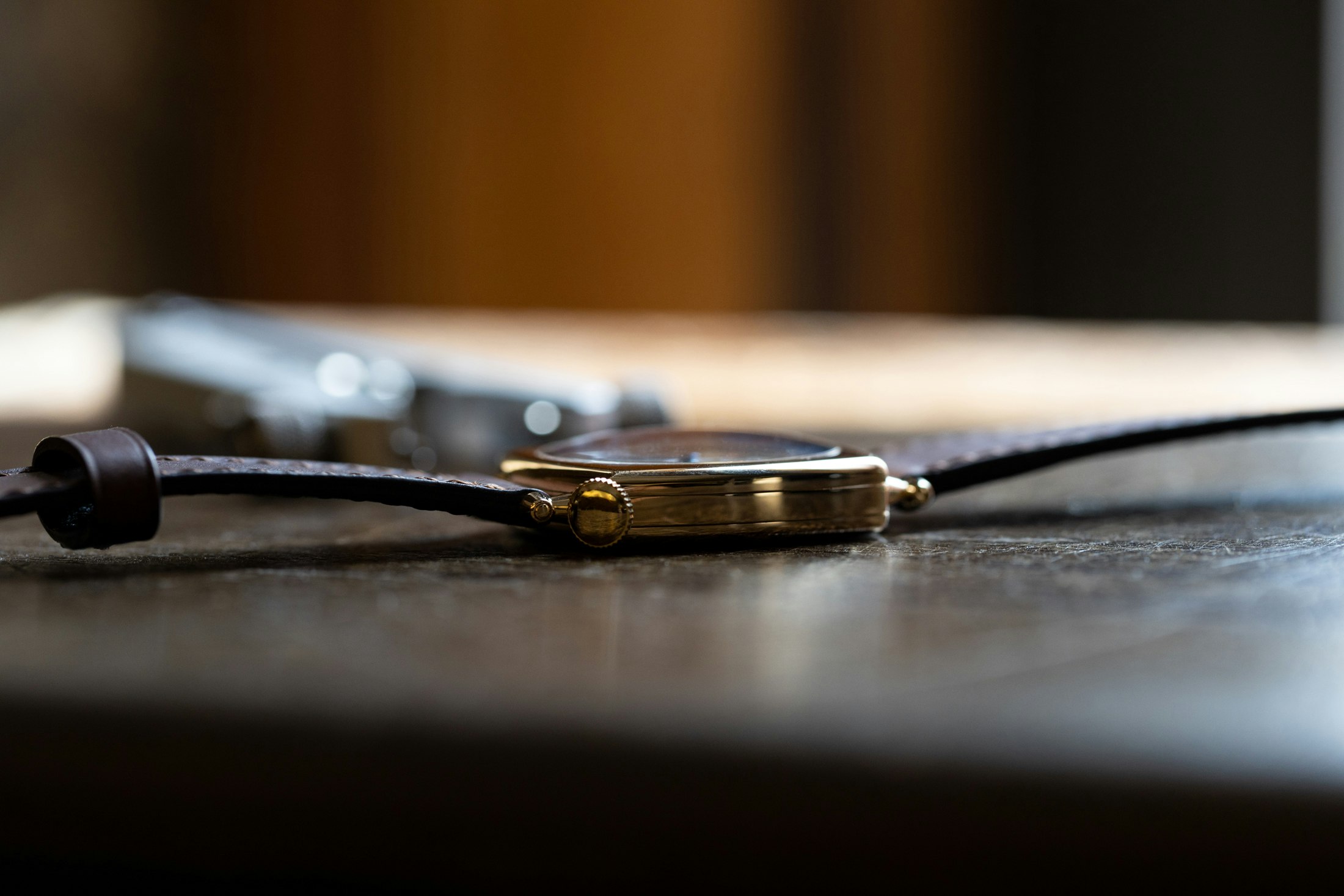
Cadman’s watch was and is a dare-to-be-different design. The cushion-shaped case wasn’t so out of the bizarre for the time – after the First World Warfare ended, many watchmakers experimented with non-round case shapes. And particularly earlier than the Nice Melancholy sobered issues up globally, there was an incredible outpouring of inventiveness in case and dial design, influenced by each the Artwork Nouveau and Artwork Deco actions. Nevertheless, the Cadman watch was very uncommon in having the winding and setting crown positioned, not on the 3:00 place on the case, however as a substitute at 11:00. The dial was additionally rotated counterclockwise from its regular place, with the numeral 12 instantly beneath the crown.
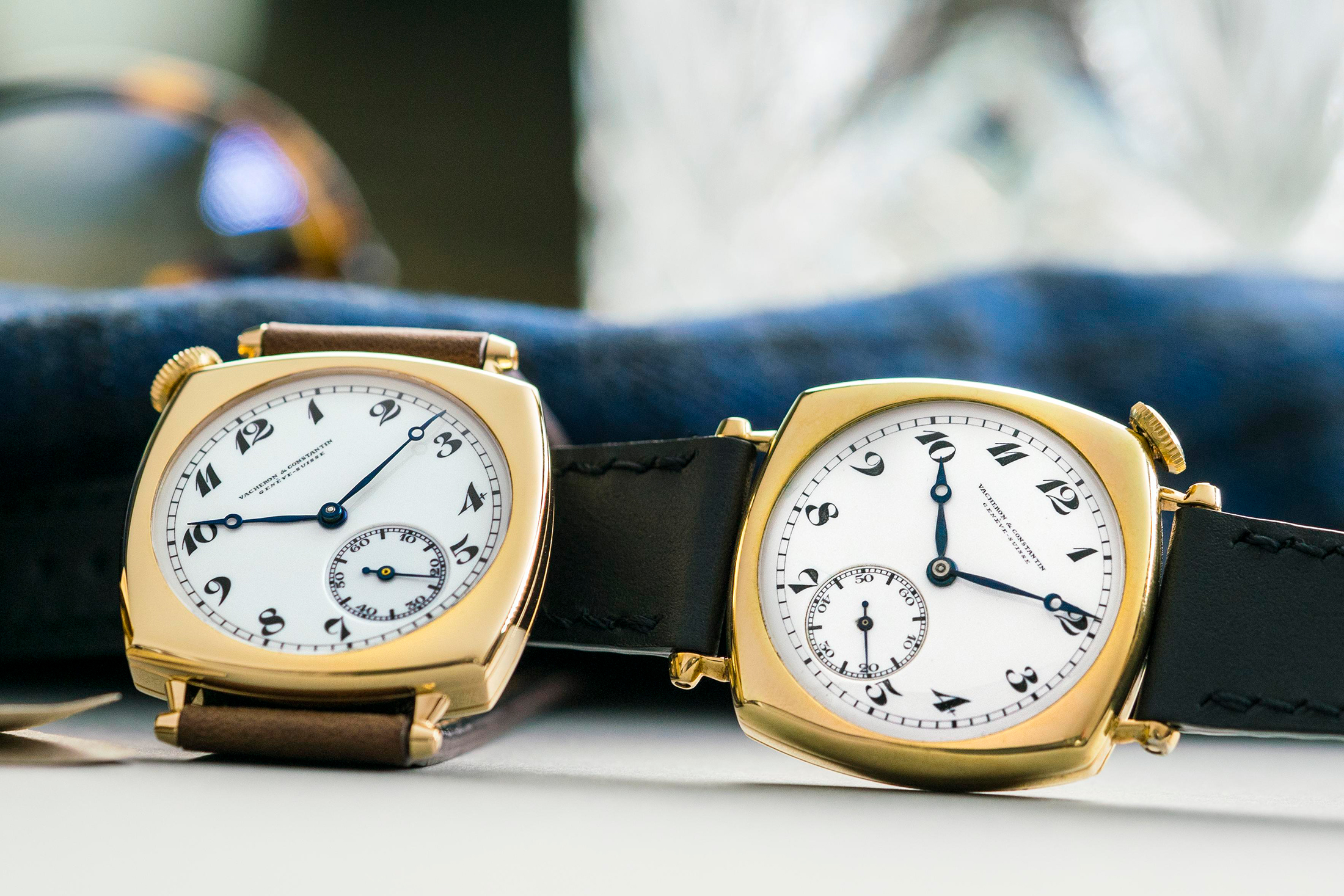
Left, Pièce Distinctive; proper, the Cadman watch.
Whereas the watches based mostly on the unique Cadman watch are all known as American 1921, there may be really one earlier model of this design in Vacheron’s archives, which was accomplished in 1919. That mannequin has a dial with radium-painted Arabics, and as a substitute of getting the crown to the left, it’s positioned on the higher proper, with the dial rotated to the fitting as effectively.
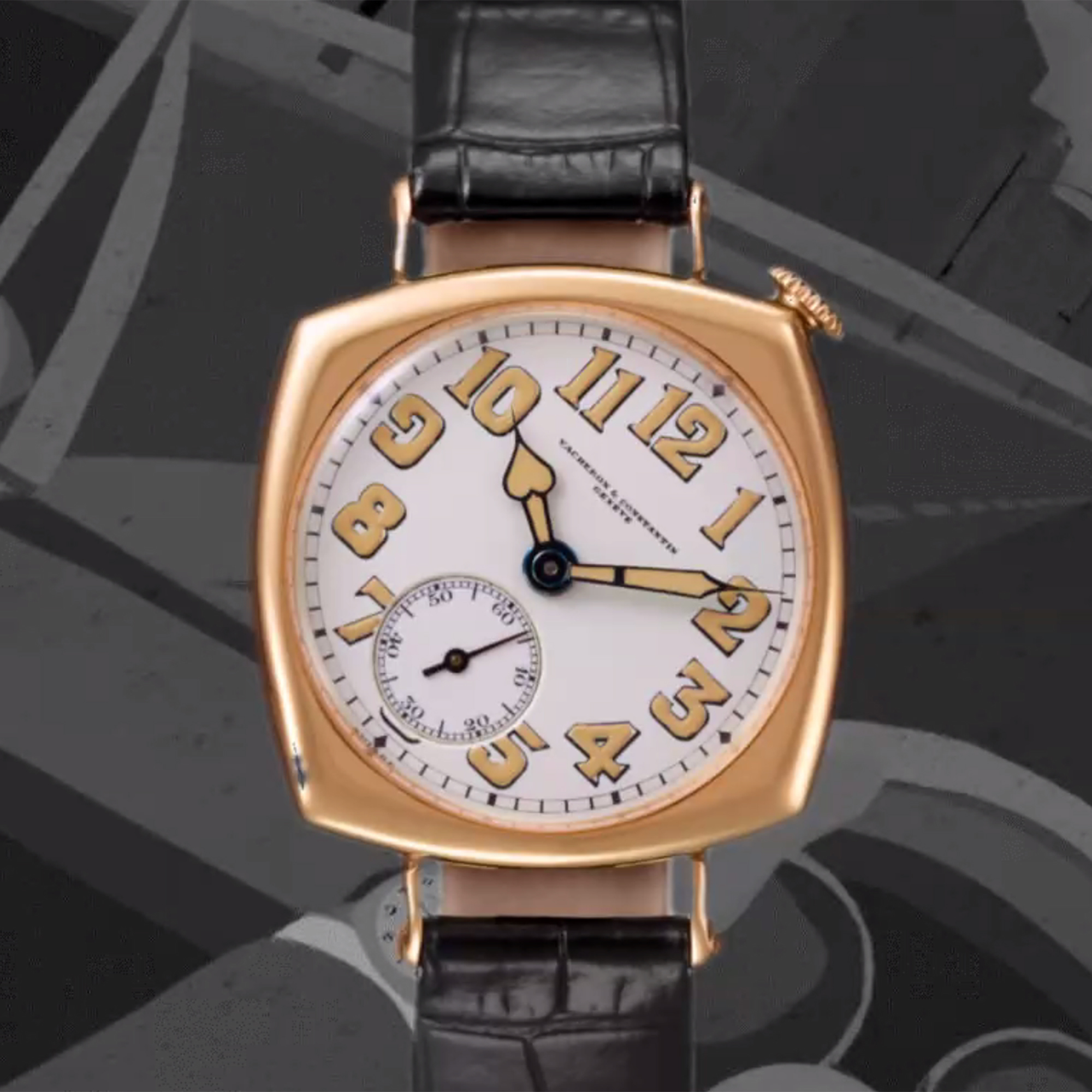
A “1921” from 1919.
This raises the attention-grabbing query of why you’ll put the crown in such a comparatively fiddly place, and why you’d rotate the dial so the 12 is in a counterintuitive place? For fairly a while the city legend across the 1921 was that it had initially been designed as a driver’s watch. A driver’s watch is supposedly one from which the time will be learn with out eradicating your arms from the steering wheel (although presumably, again within the day, your Armstrong-Hepworth Continental Mark VIII would have had an eight-day dashboard clock) however these usually are watches with the dial set perpendicular to the motion plate, just like the Parmigiani Fleurier Bugatti Kind 370. On high of that, Vacheron’s heritage and magnificence director, Christian Selmoni has mentioned on a number of events that there isn’t a proof in any way in Vacheron’s archives to help the supposition that these had been supposed to be driver’s watches.
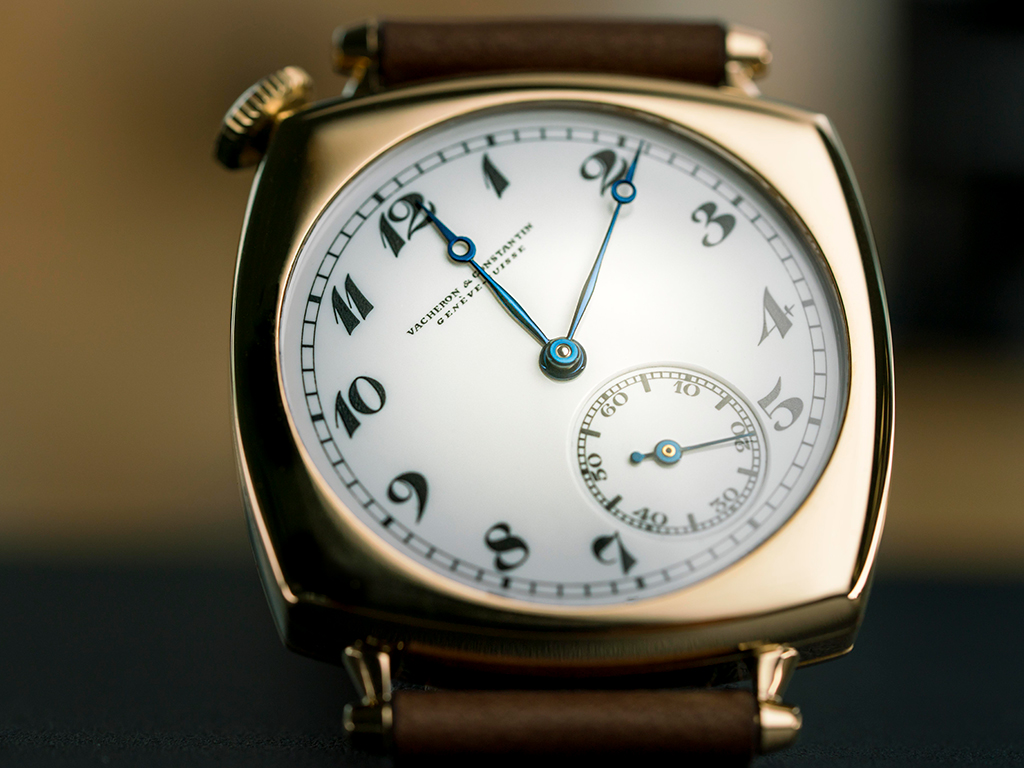
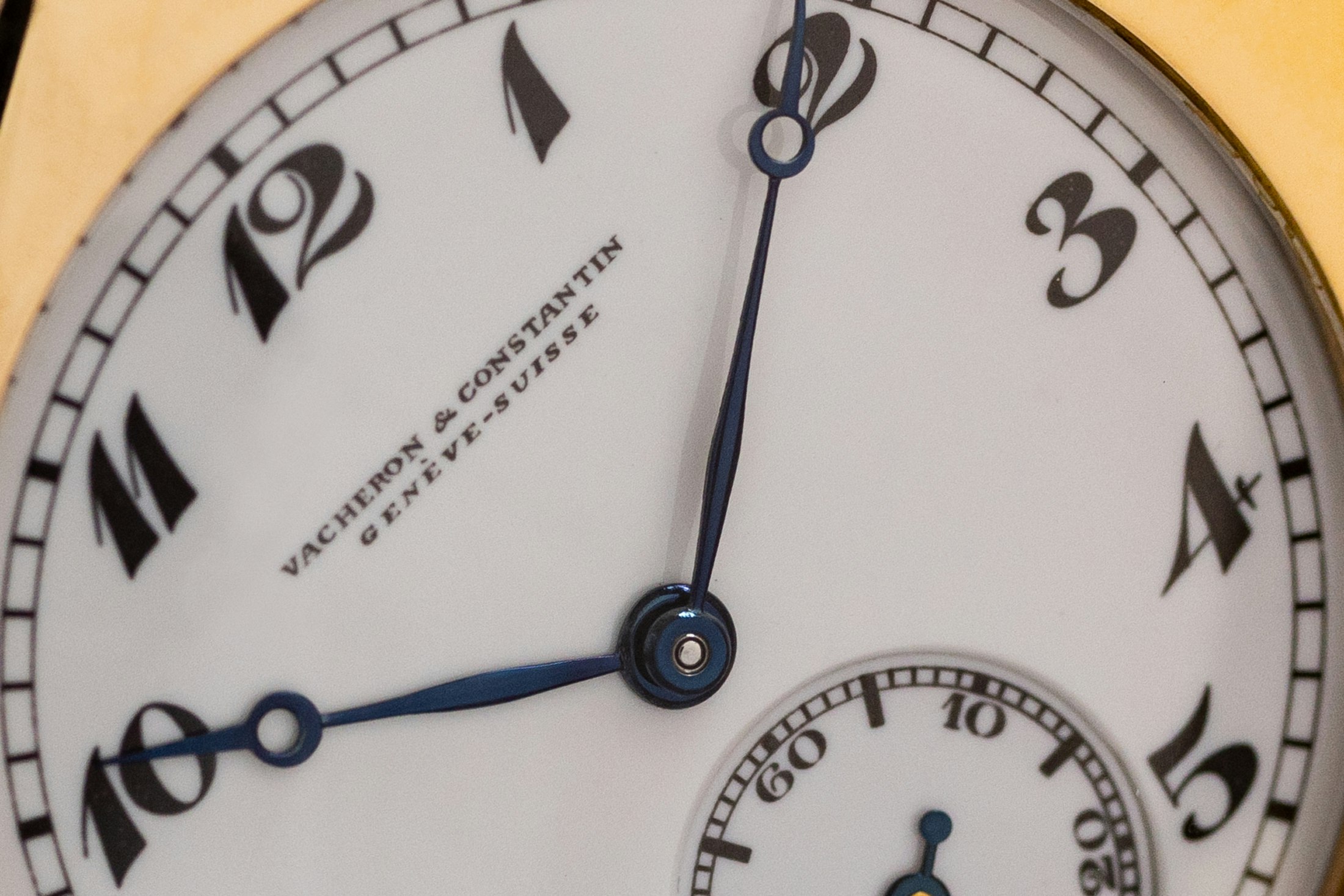
Dial of the distinctive piece.
I took it without any consideration for a few years that the 1921s had been the truth is driver’s watches however I suppose I ought to have smelled a rat sooner – 5 seconds of informal statement and a modicum of important thought ought to have made it apparent that there’s nothing in regards to the 1921 that makes it simpler to learn should you’re driving. So what offers? Properly, there’s a clue within the relative place of the crown and the small seconds. Crown on the high, and small seconds on the backside, is precisely the association that you just’d discover in a pocket watch motion.
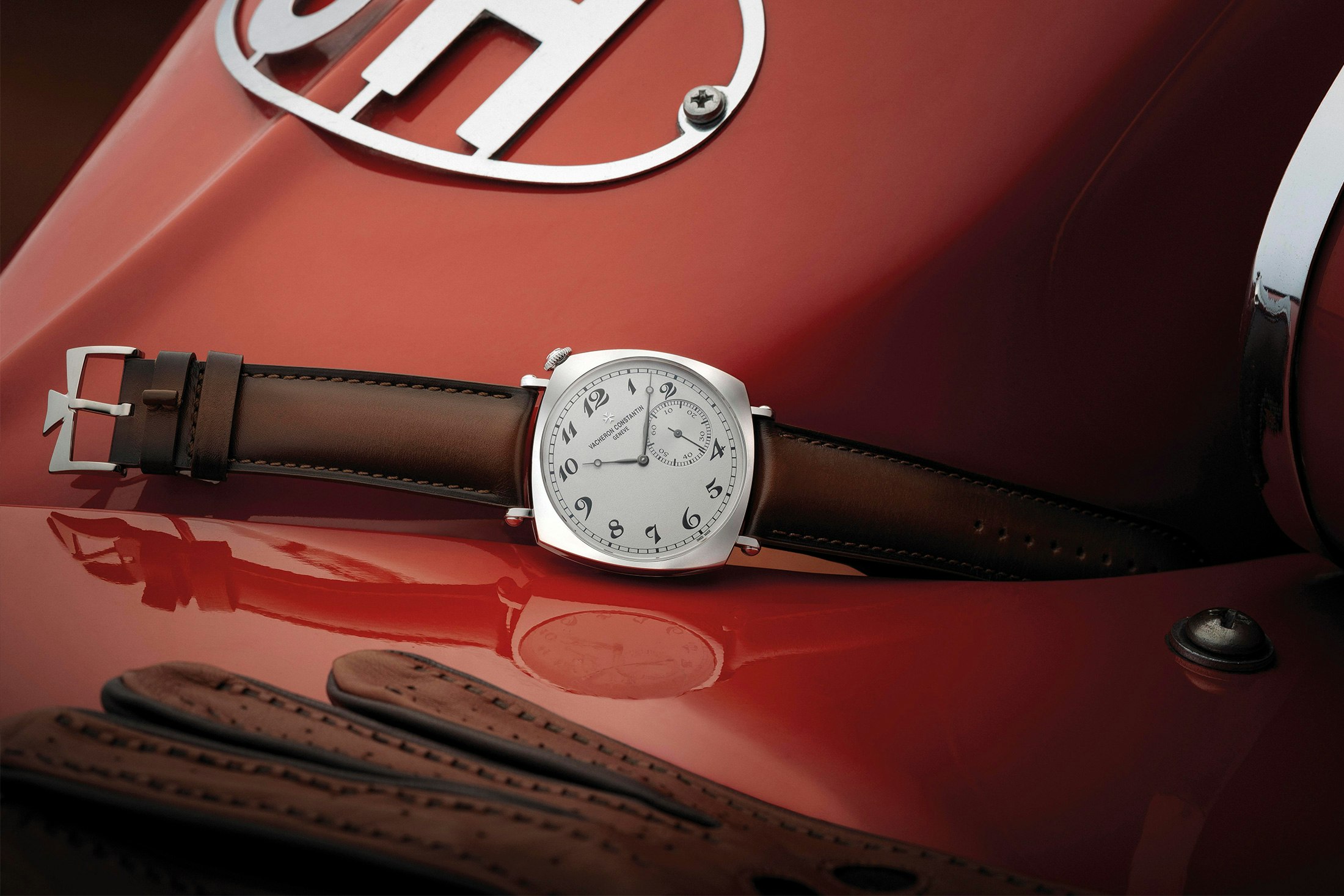
A current-collection Les Historiques 1921, in white gold.
The motion within the watches from 1919 and 1921 was configured for casing in a pocket watch, and I feel this design most likely represents Vacheron exercising some creativity in designing a wristwatch round a pocket watch motion, moderately than something to do with automobiles. Selmoni additionally advised us that when Vacheron determined to re-introduce the design, in 2008, they requested themselves the identical query Vacheron requested in 1919-21, which was the place to place the crown – in the end, after all, they selected the configuration first utilized in 1921. The fashionable 1921 watches, against this to the originals, even have the sub-seconds dial offset by 90º from the crown, moderately than 180º – it is because the fashionable variations are constructed across the caliber 4400 AS, which was designed from the get-go as a wristwatch motion.
Whatever the purpose, I feel it’s an impressed piece of inventive considering. The straightforward method out could be to only put the crown within the normal place, with the seconds dial at 9:00, however by leaning into the problem, Vacheron got here up with one thing actually arresting and attention-grabbing – a watch with a twist, as the corporate likes to say.
Making A Case For The 1921
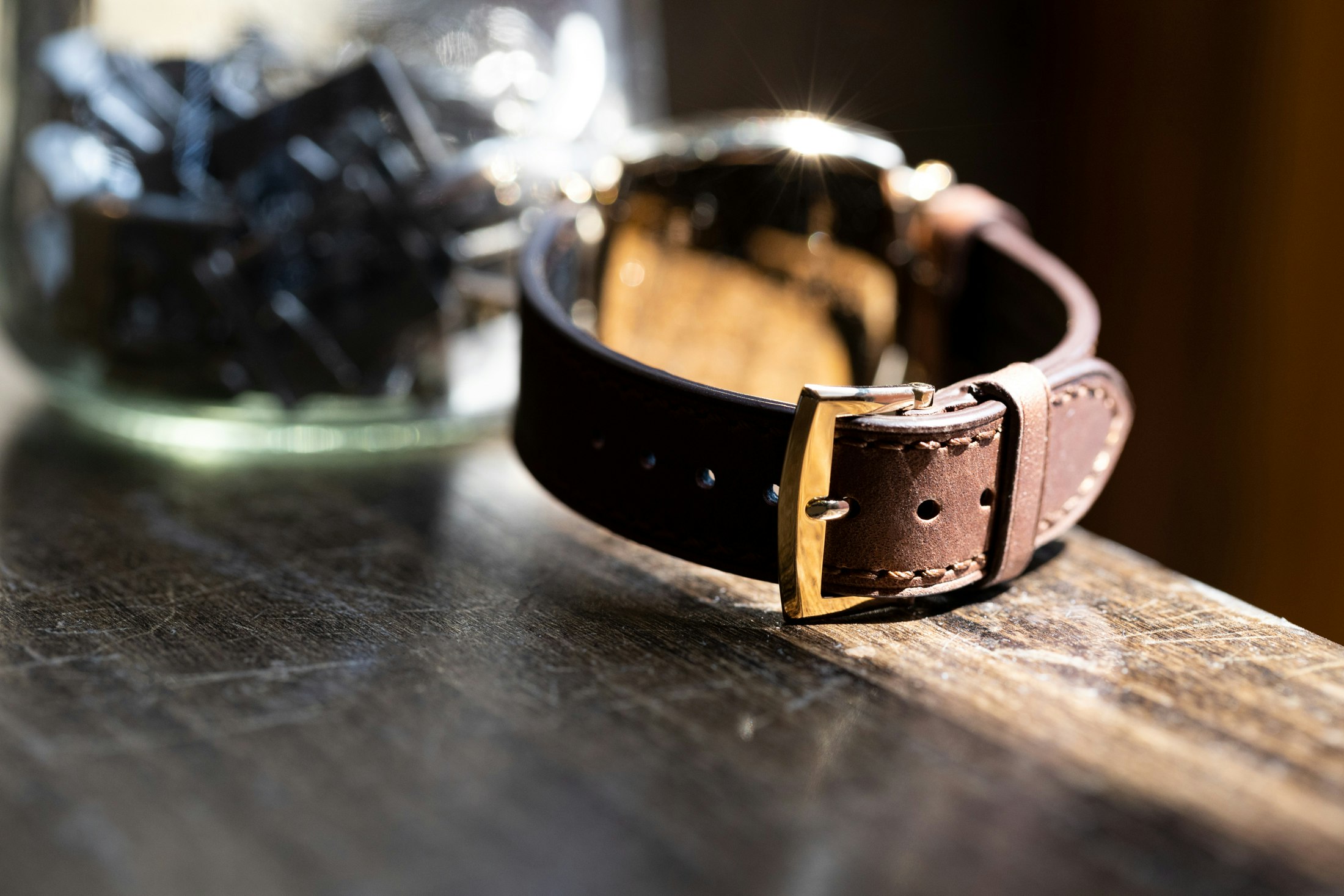
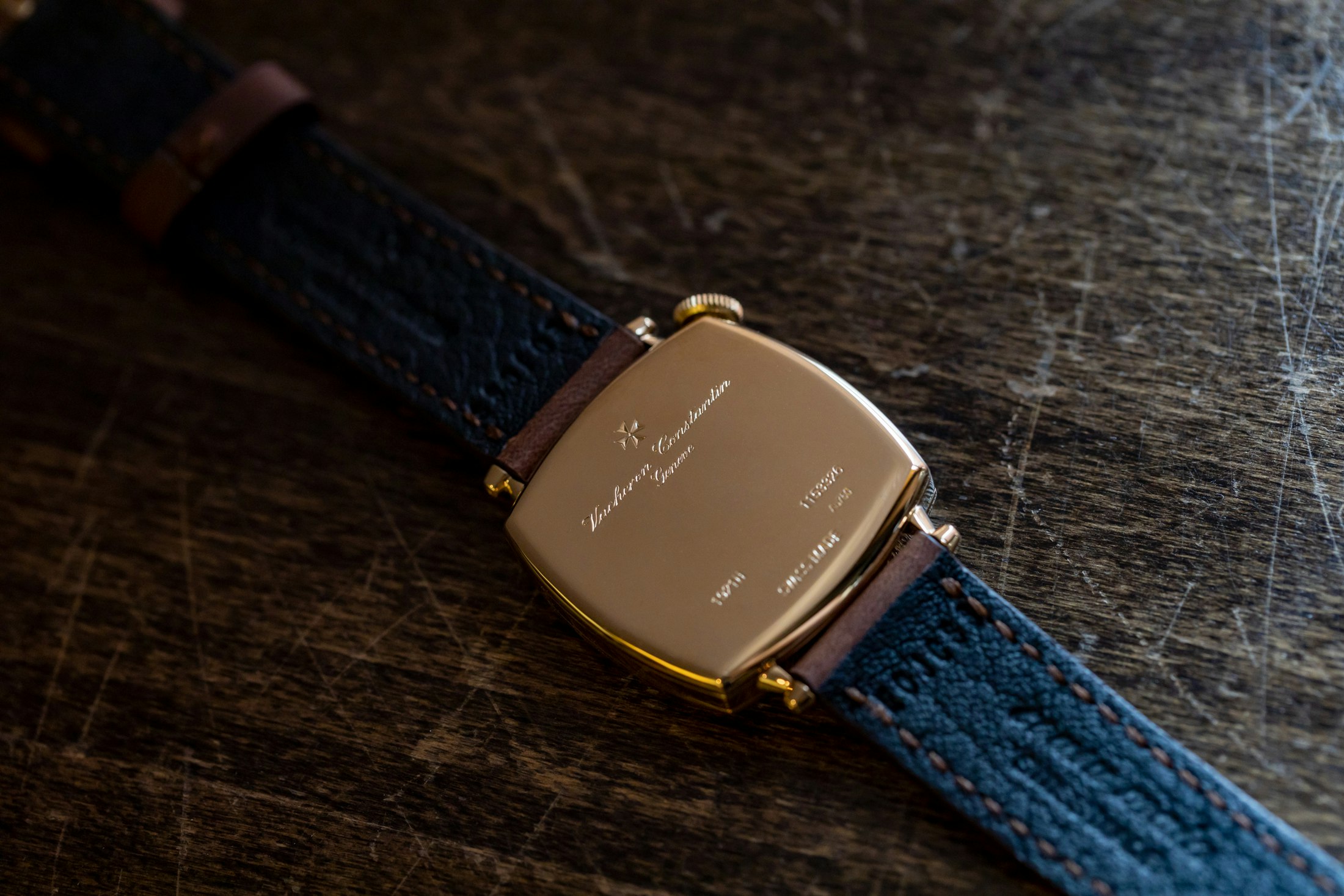
The case for the Pièce Distinctive is constructed as it might have been in 1921, together with the soldered lugs. It’s additionally manufactured from the identical gold alloy as the unique – Vacheron did a spectroscopic evaluation of the metallic within the Cadman watch and the distinctive piece is, like its predecessor, manufactured from 3N 18 karat gold. Like the unique, the brand new case has fastened bars for the strap, moderately than springbars, and Vacheron used a period-correct, unique crown from the early twentieth century, from its archives.
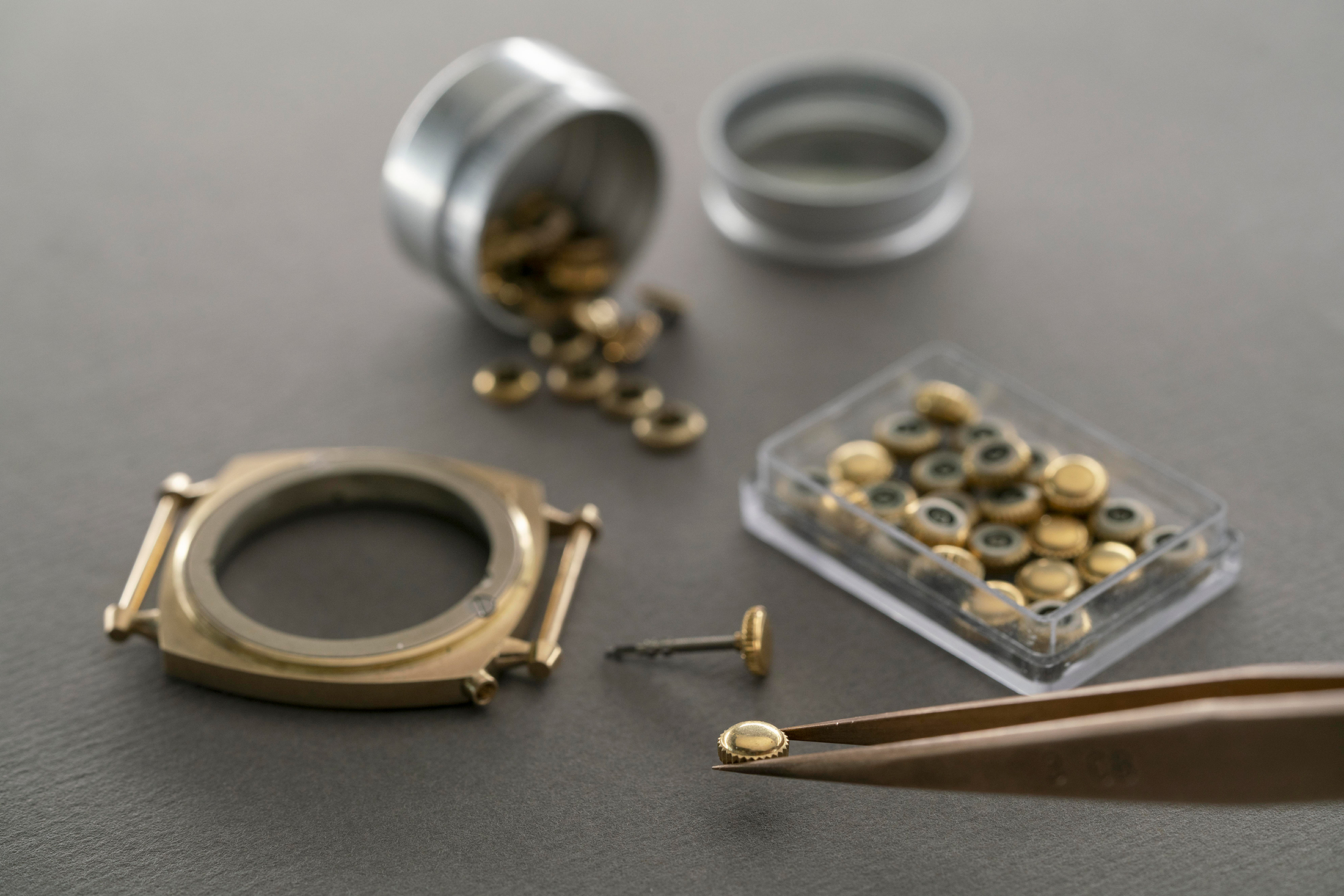
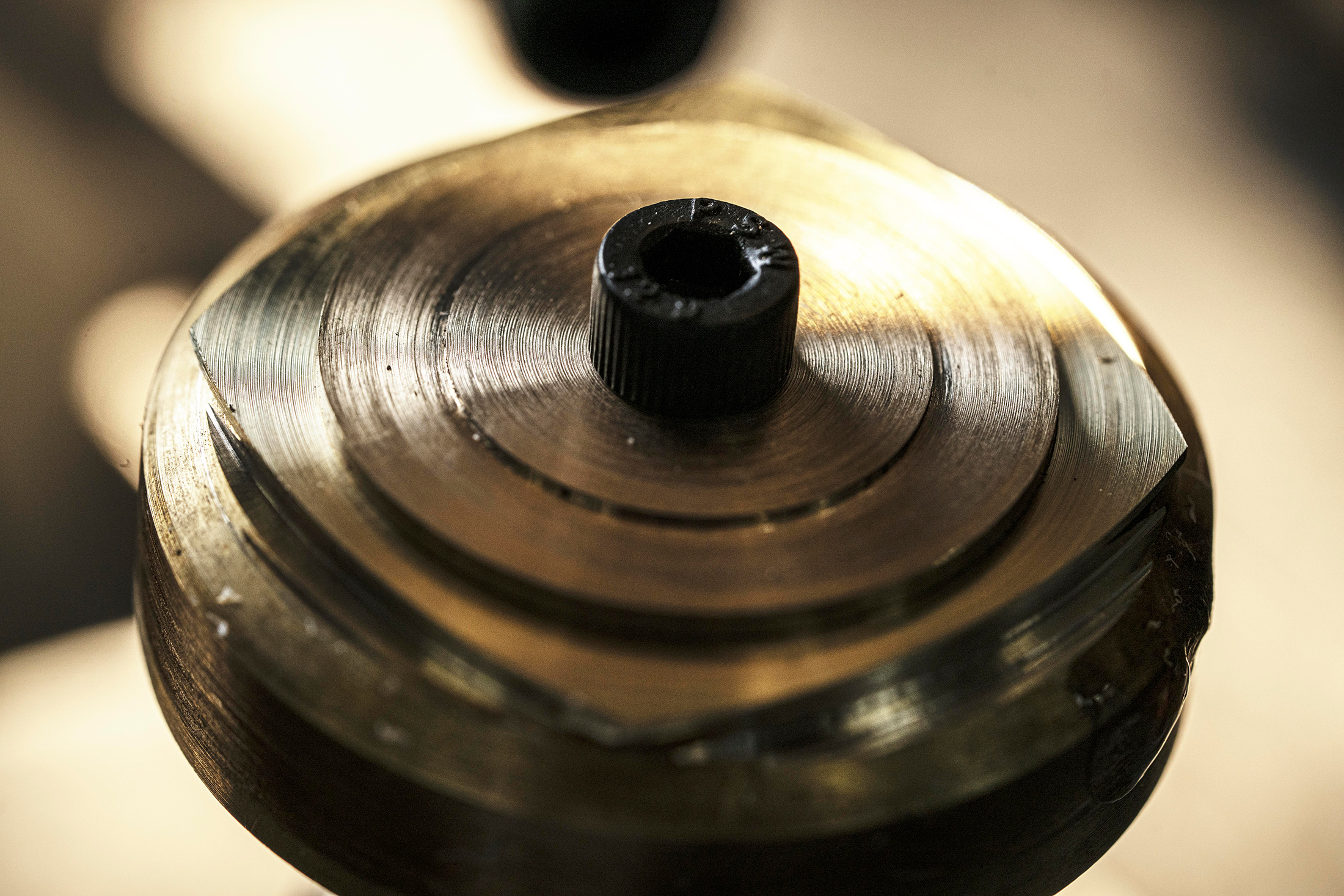
Turning the case on a casemaker’s lathe. The lathe is a late nineteenth century “dealing with lathe.”
Whereas the case is just not new outdated inventory, it was made utilizing methods that might have been instantly acquainted to a casemaker from the Twenties. Parts had been turned and formed by hand and polished by hand, and the caseback engraving was performed by hand as effectively.
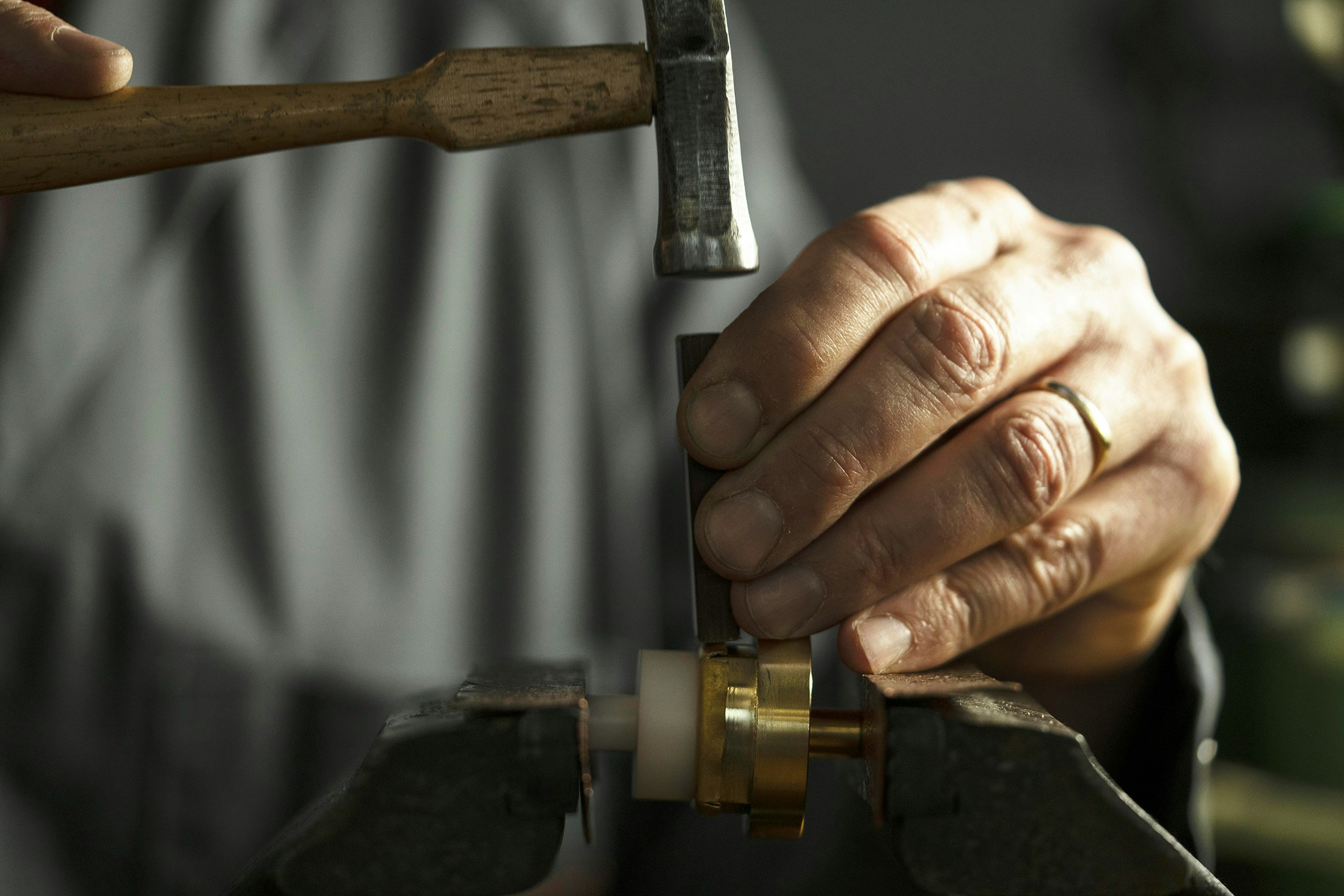
Shaping the bezel with a jeweler’s hammer.
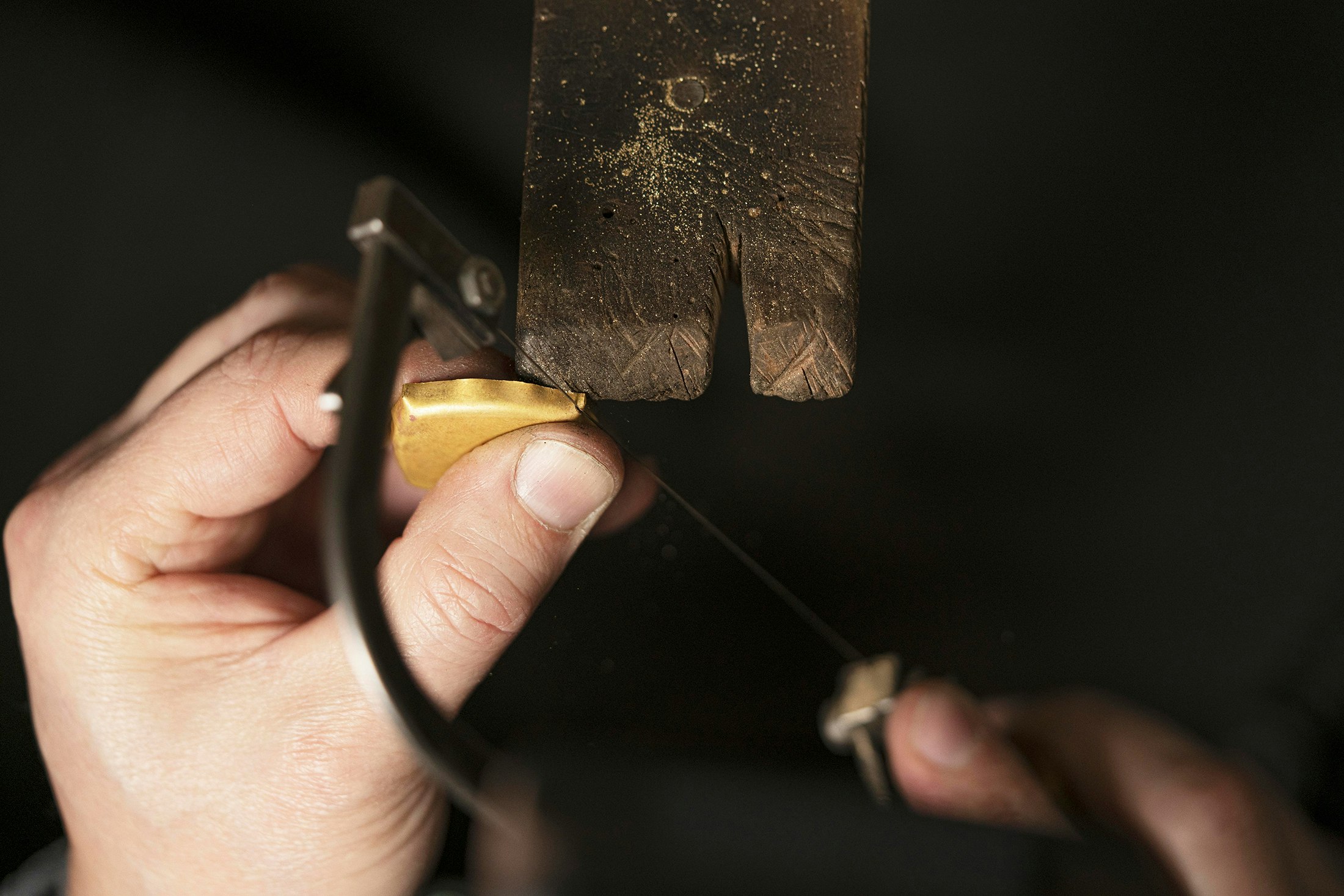
Chopping the opening within the bezel for the winding stem.
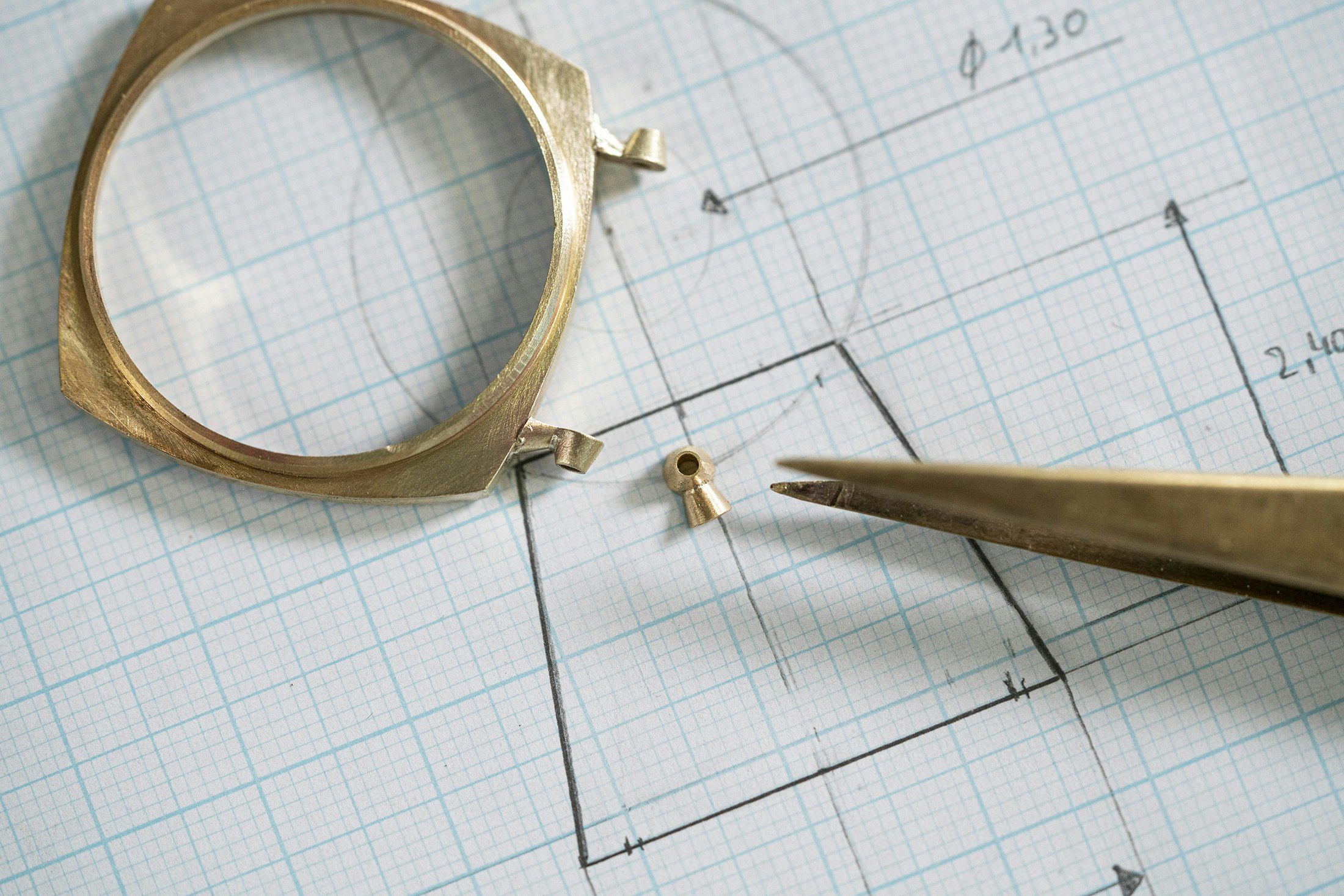
The lugs are made individually and soldered into place.
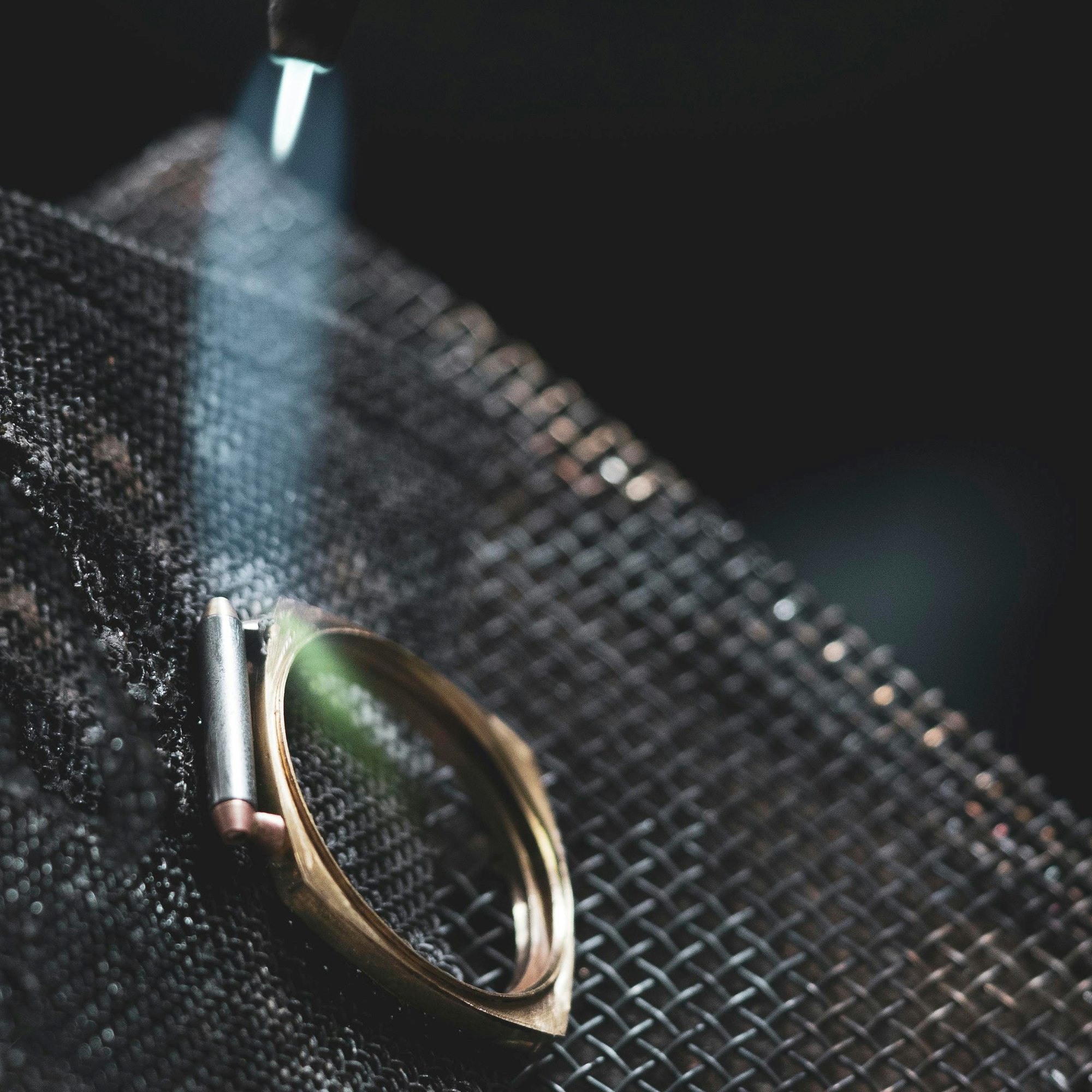
Soldering the lugs to the case.
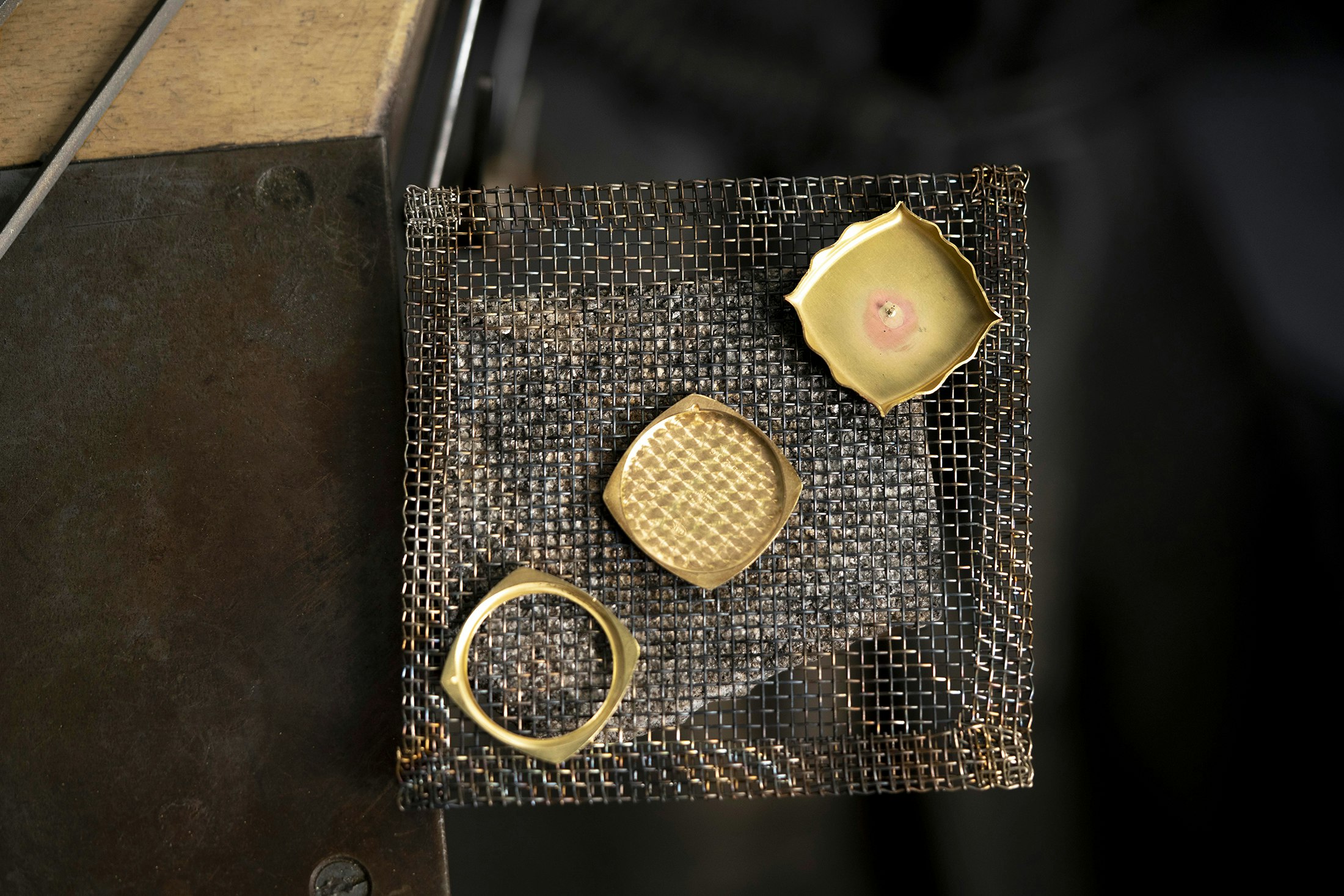
In progress: left, the case center; middle, caseback; proper, bezel.
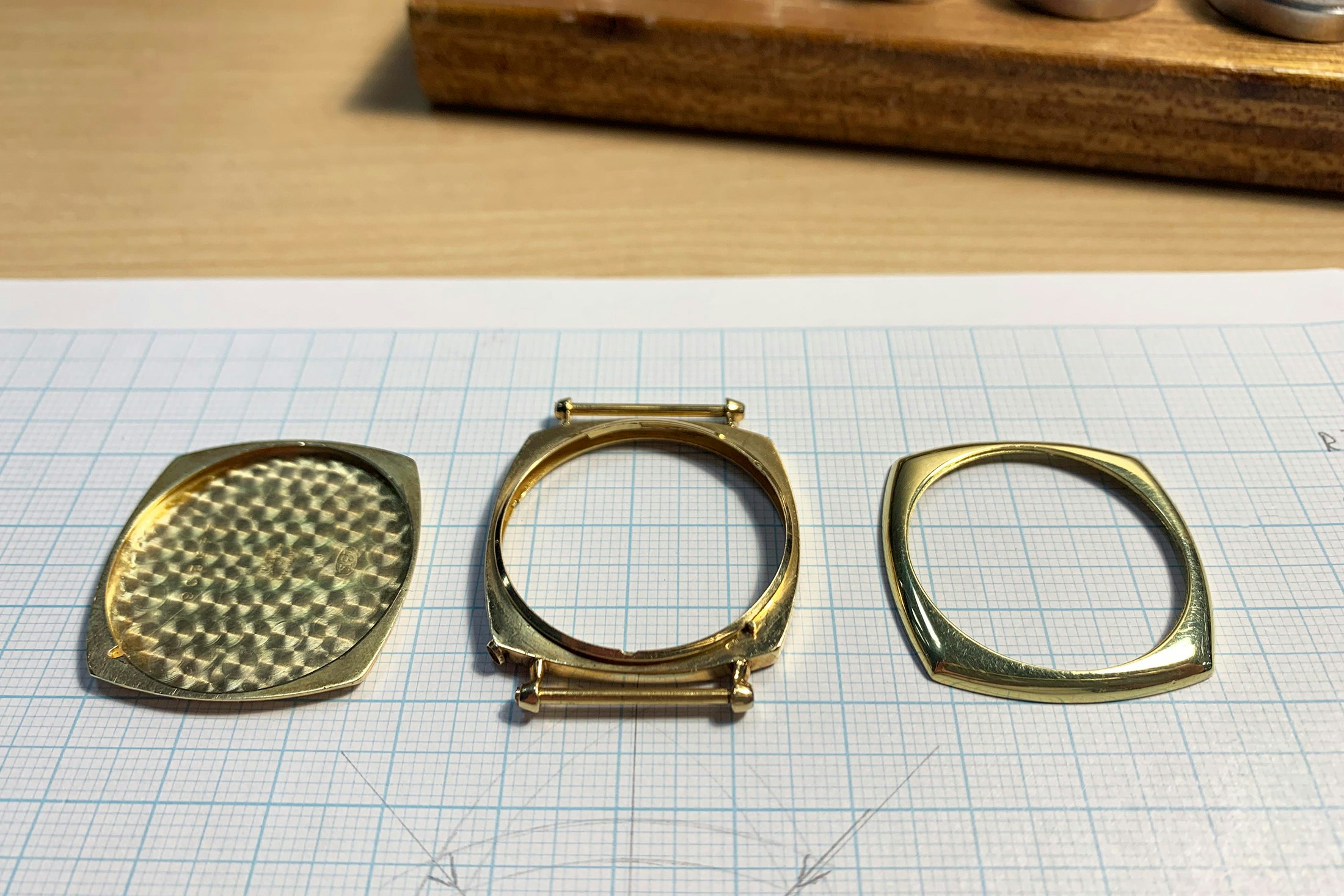 L-R, the finished caseback, with perlage ornament; the case center, with lugs and stuck strap bars, and the bezel.
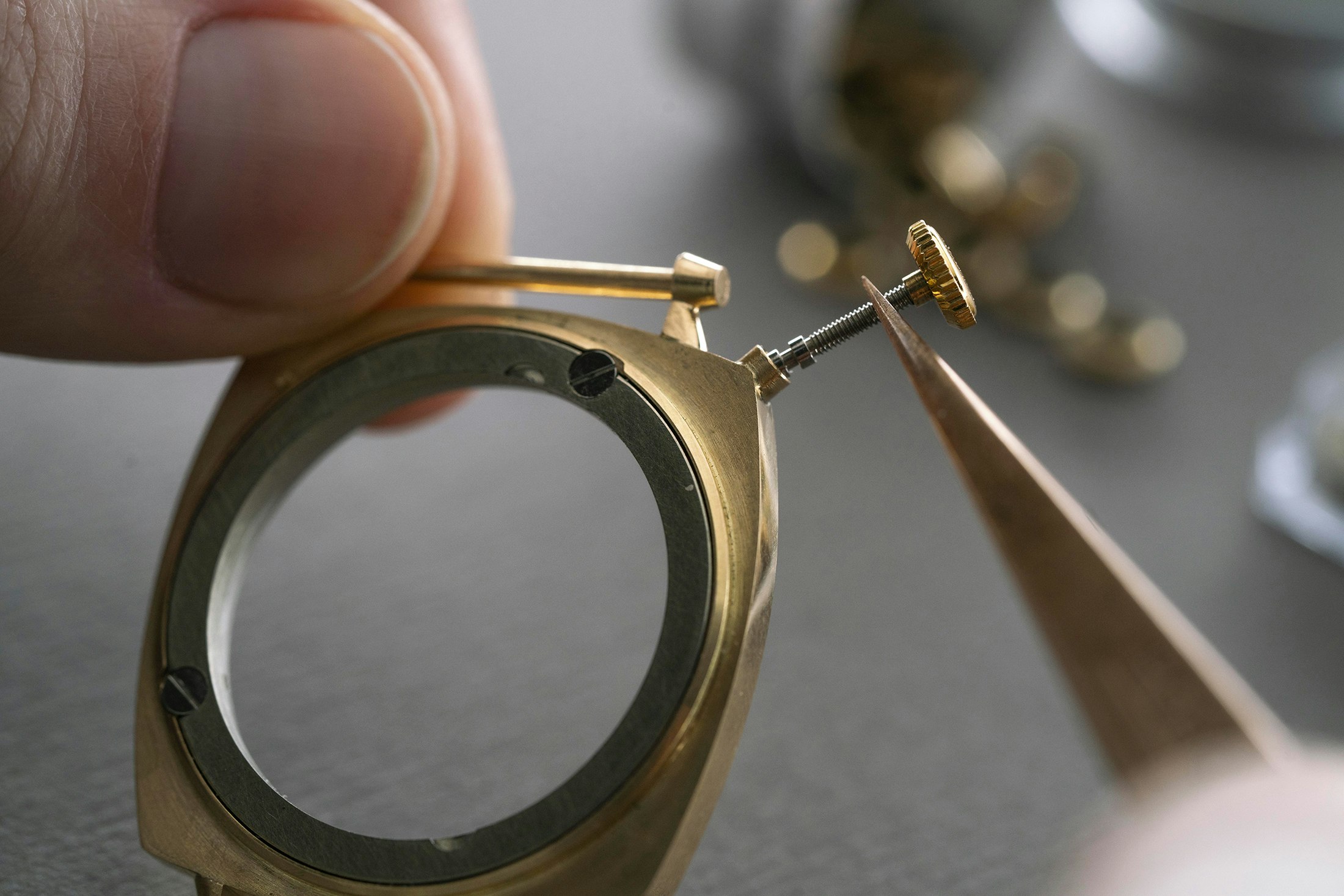
Checking match and positioning of the crown and stem.
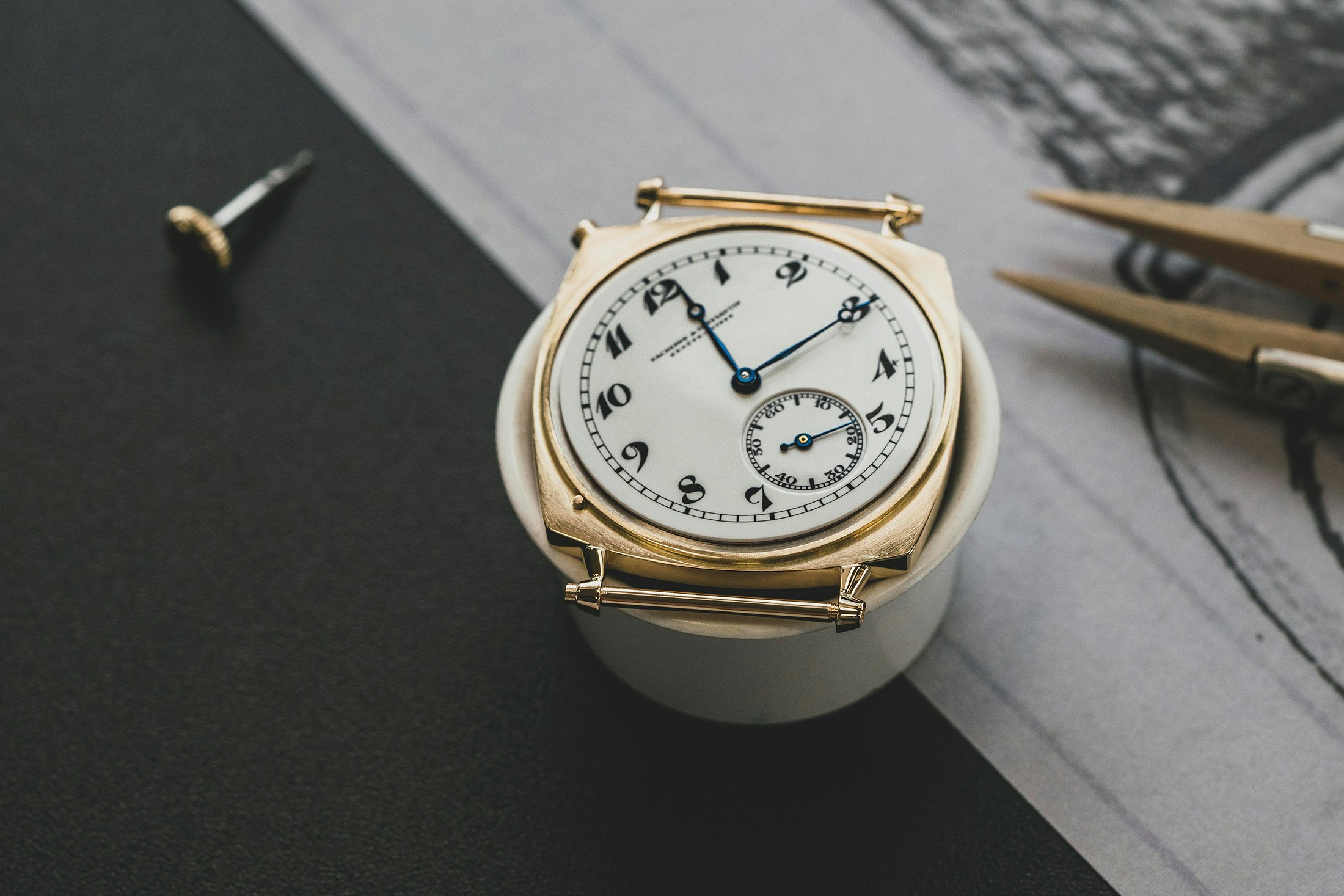
One other notable component: the welded lugs. These are made individually and soldered into place, one after the other. The lugs are as fantastically built-in into the general design as they had been within the unique watches and are even, taken by themselves, miniature masterpieces of goldsmithing (and a reminder that even earlier than it was a haven for watchmakers, Geneva was well-known for the work its artisans did in jewellery making, and in treasured metals till John Calvin got here alongside and Protestant sumptuary legal guidelines made the smiths change to casemaking).
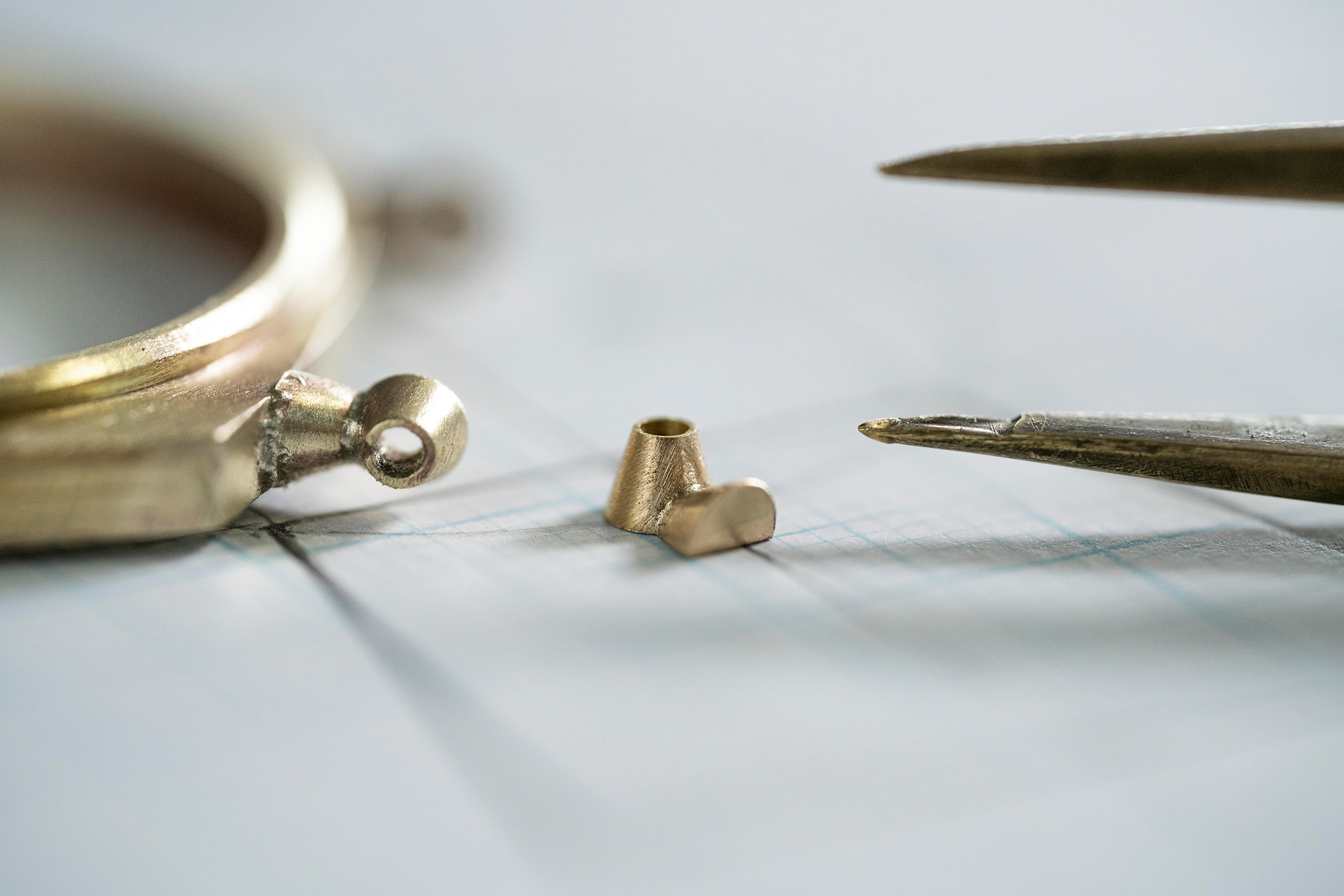
As soon as they’re completed, the bezel, case center, and caseback are able to be launched to one another, with all three turned out as rigorously and fantastically as any trio of debutantes on the ball.
Fired Enamel And Blued Metal: The Dial And Fingers
The dial and arms, just like the case, are made utilizing conventional methods. The dial is fired enamel and made in two components – the primary dial, and the subdial for the small seconds. Of all of the strategies used within the creation of the distinctive piece, the fired enamel dial might be the one most acquainted to right now’s fanatics, as enamel dialmaking, whereas unquestionably a high-craft approach, is used pretty typically in high-end watchmaking.
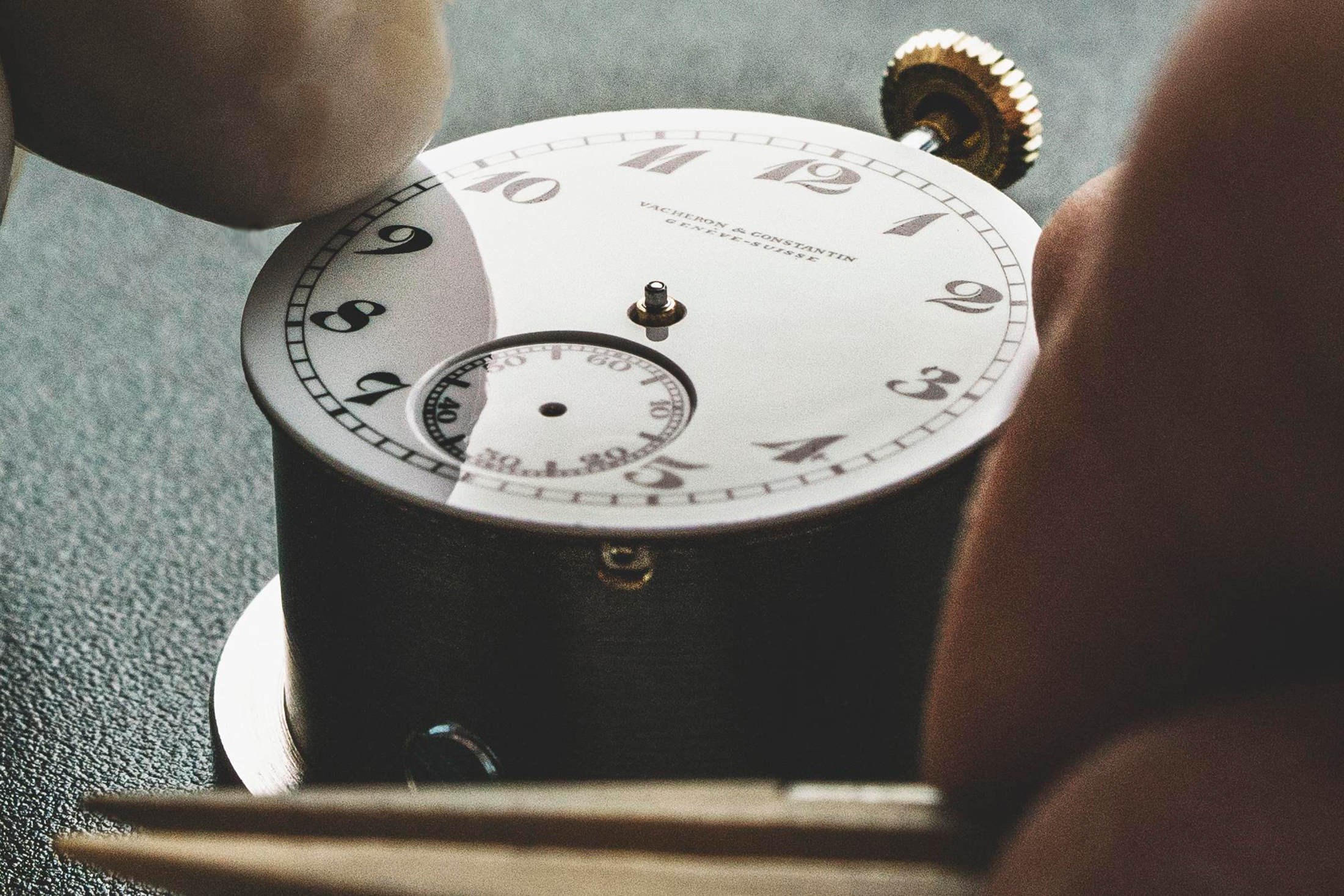
For all that, it nonetheless at all times appears sort of magical to me. Enamel is principally a sort of glass – it begins as a powder, which will get sprinkled onto the dial in a skinny, even layer. The dial is then fired in a kiln, which turns the powder right into a single, skinny, shiny layer in a course of generally known as vitrification. The dial is hooked up to the motion with small wire pins known as “ft” that are soldered into place.

The enamel dial being fired within the kiln.

Making use of enamel powder to the dial.
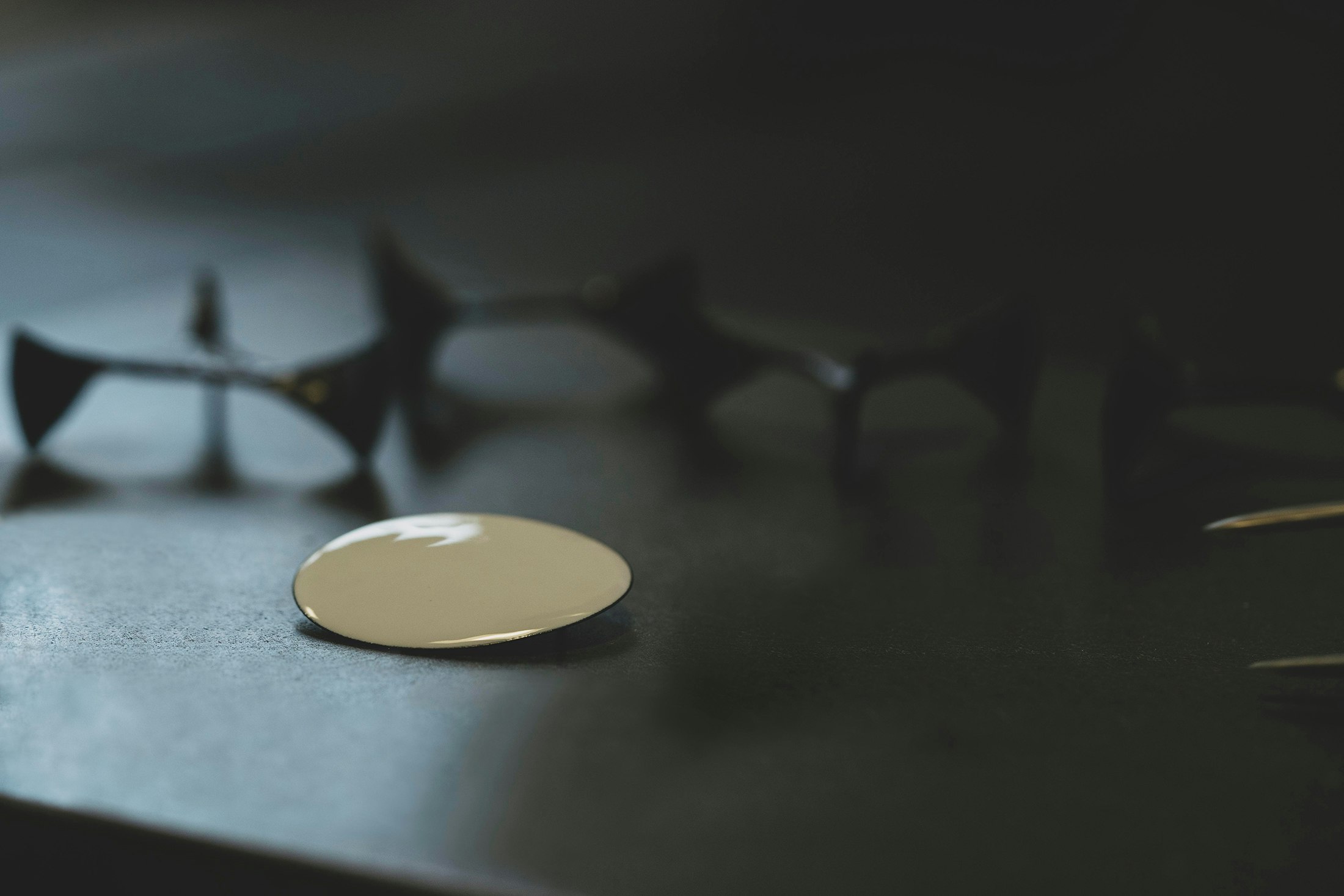
Successive firings are obligatory to provide the shiny depth of grand feu enamel.
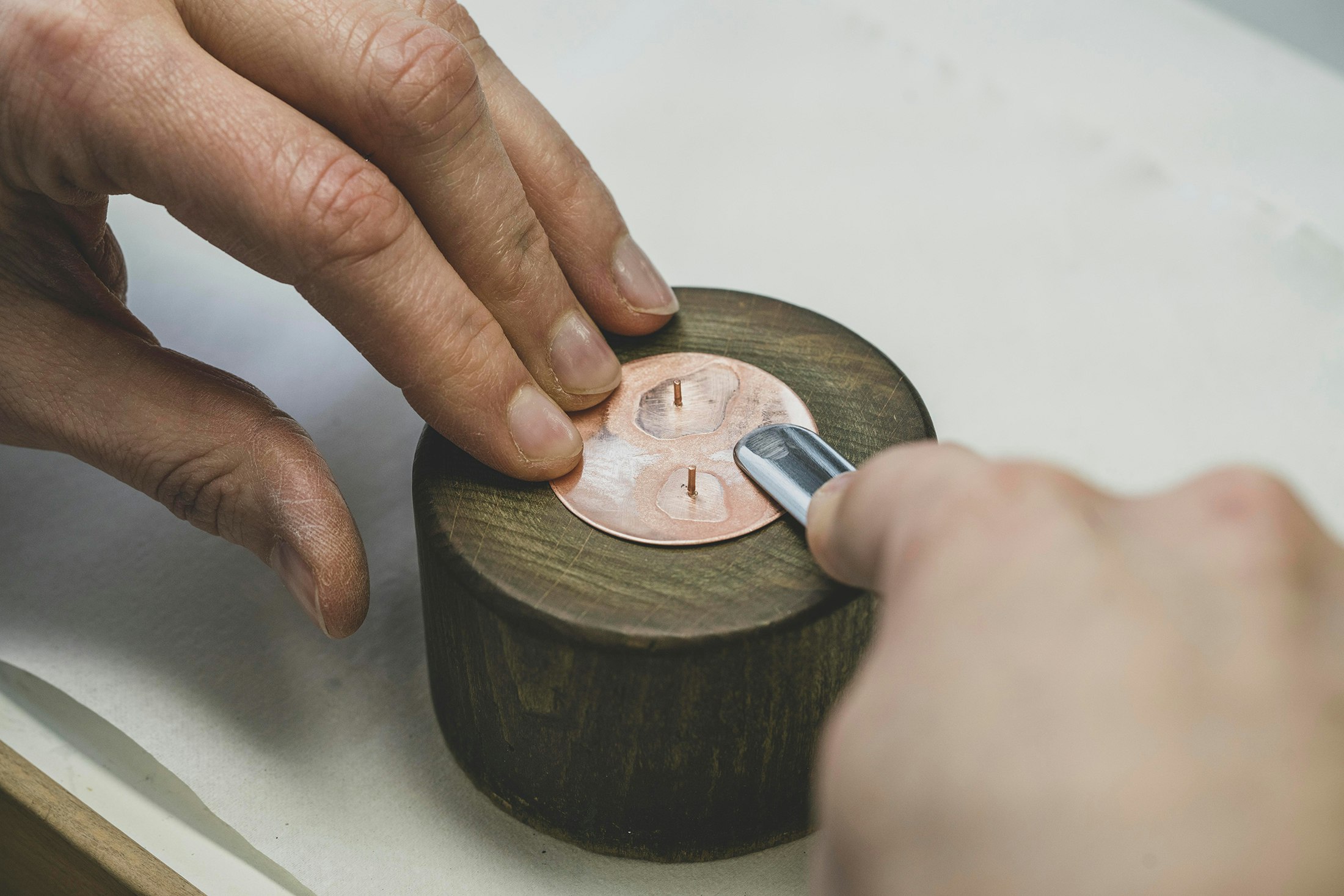
The again of the dial, with the dial ft in place.
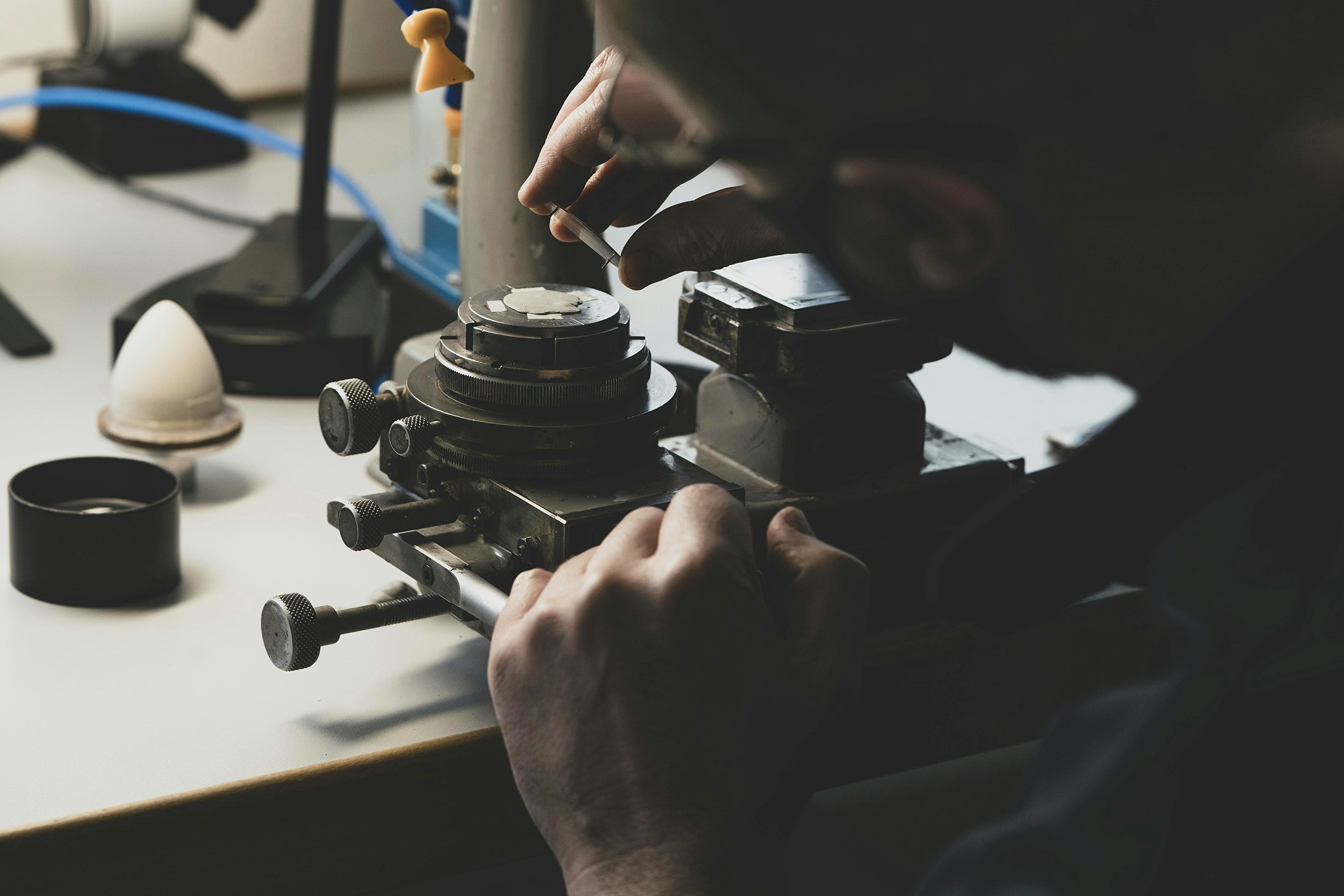
The dial, with ft in place.
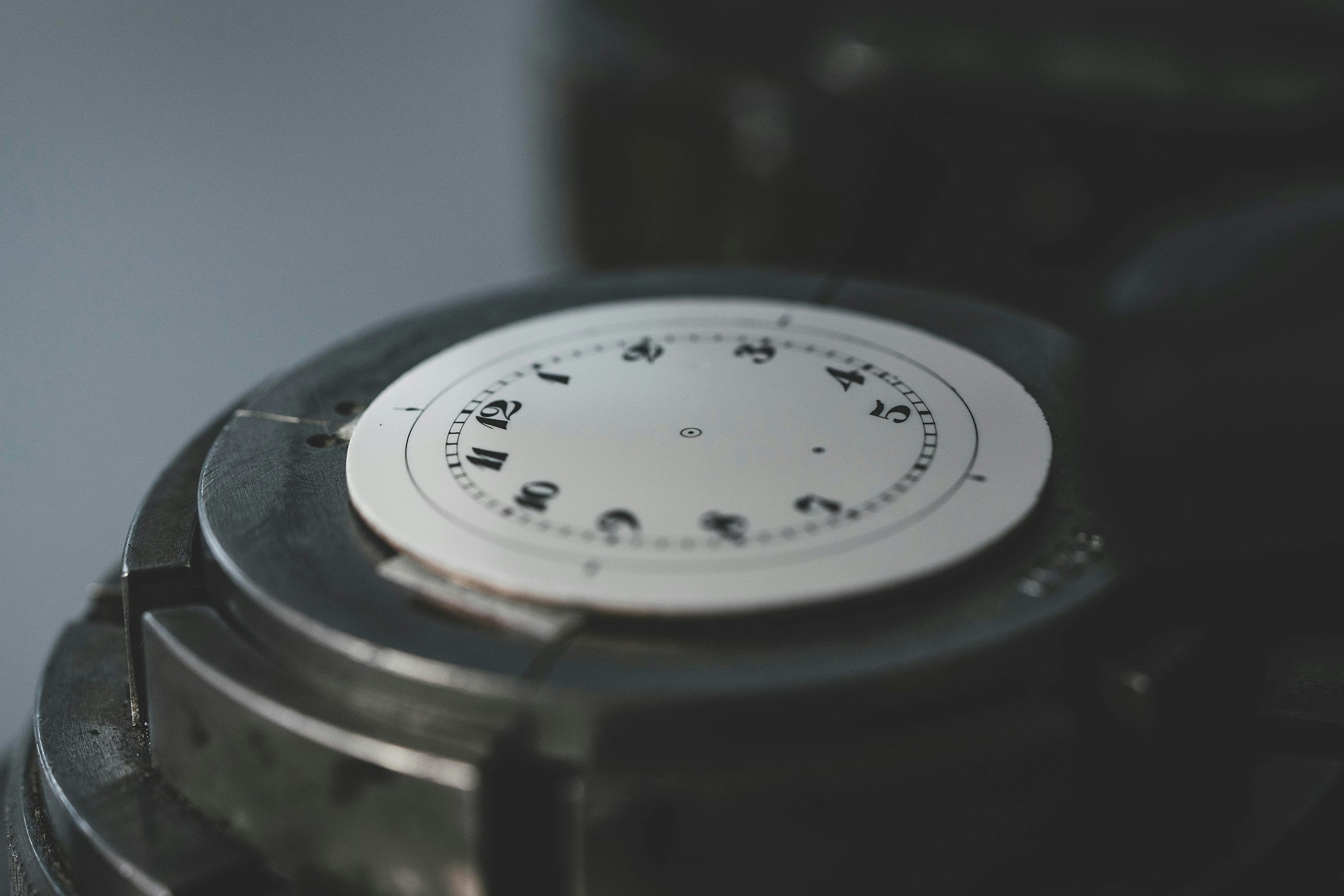
The dial previous to reducing the aperture for the sub-seconds dial.
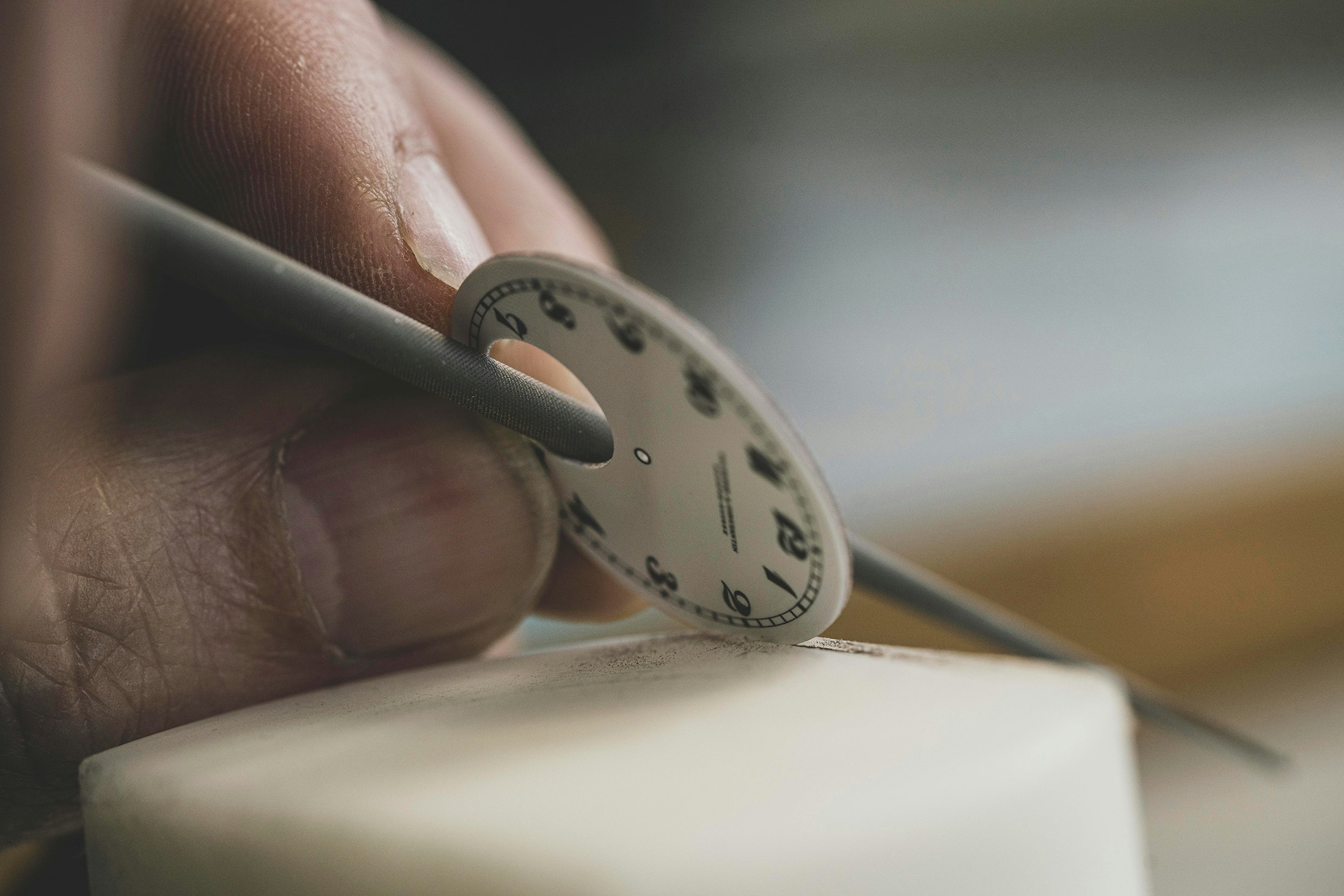
Submitting the sting of the opening for the sub-seconds dial.
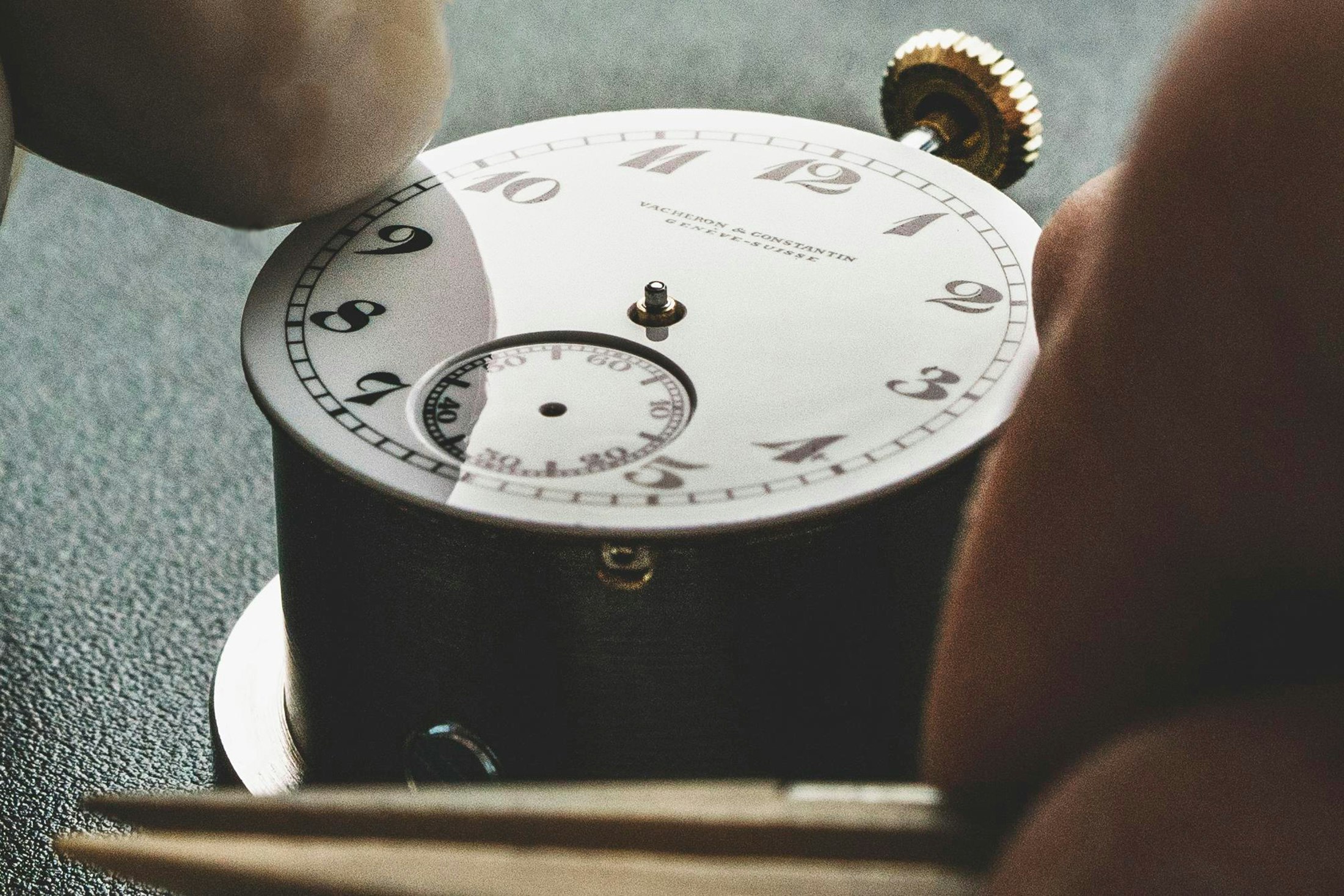
The small seconds dial in place.
One different component from the unique dial has been retained – the corporate brand on each the unique and the distinctive piece, reads “Vacheron & Constantin.” That was the official title of the agency from 1819 when François Constantin joined the corporate, all the best way as much as 1970.
The blued metal arms, in contrast to the dial, are precise new outdated inventory components. Made in 1921, they had been saved in Vacheron’s components archive in an unblued state, and warmth blued in Vacheron’s restoration workshop in 2021, particularly for this mission. Warmth bluing is completed by putting the metal half on a block, which is then slowly heated over a gasoline flame. It’s a difficult course of – once you heat-temper metal it begins to paint at round 350º, however between 450º and 590º, it modifications shade quickly, shading from a lightweight to darkish brown, to a deep purplish hue, earlier than hitting the cornflower blue normally desired for warmth blued watch arms.
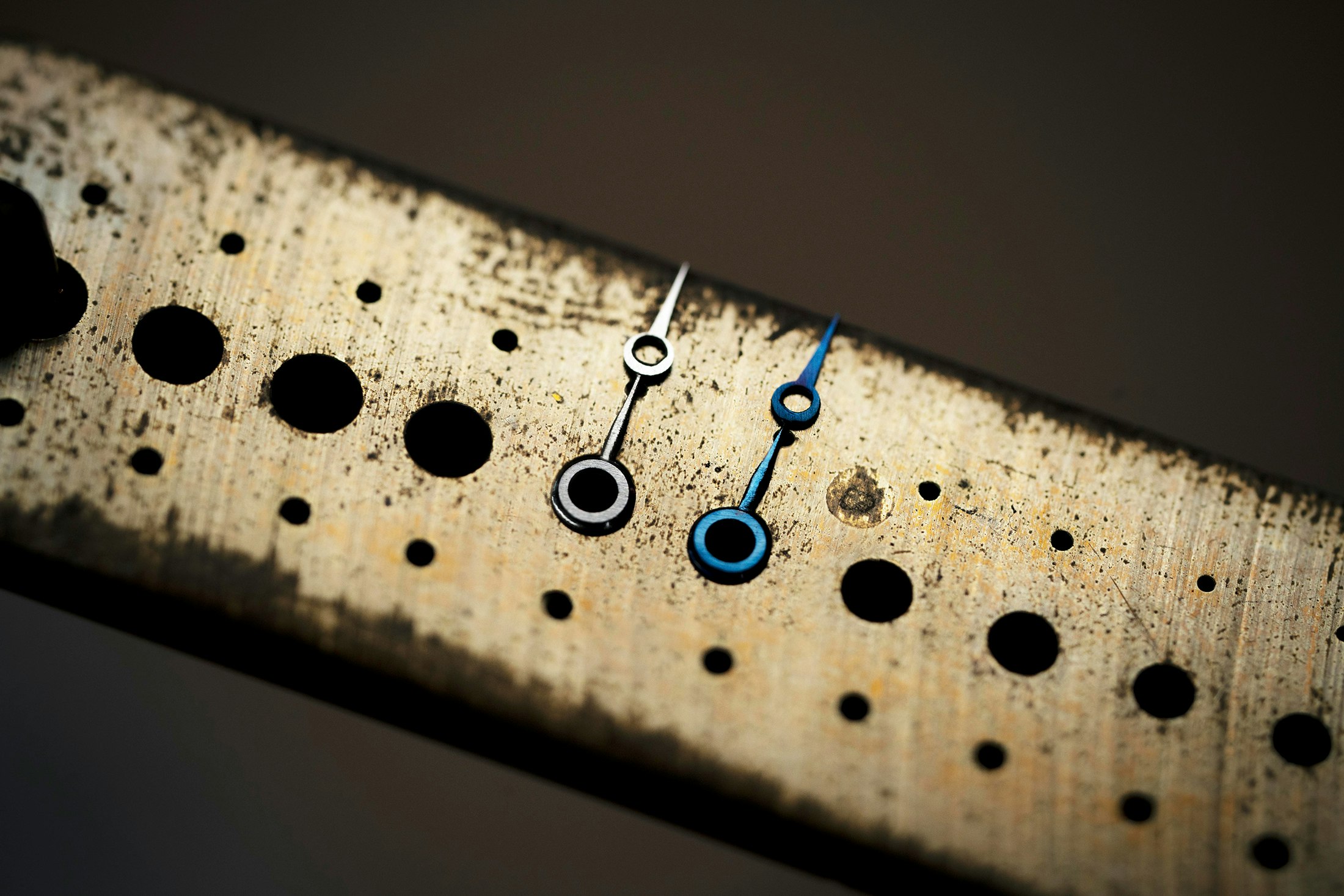
Earlier than and after bluing.
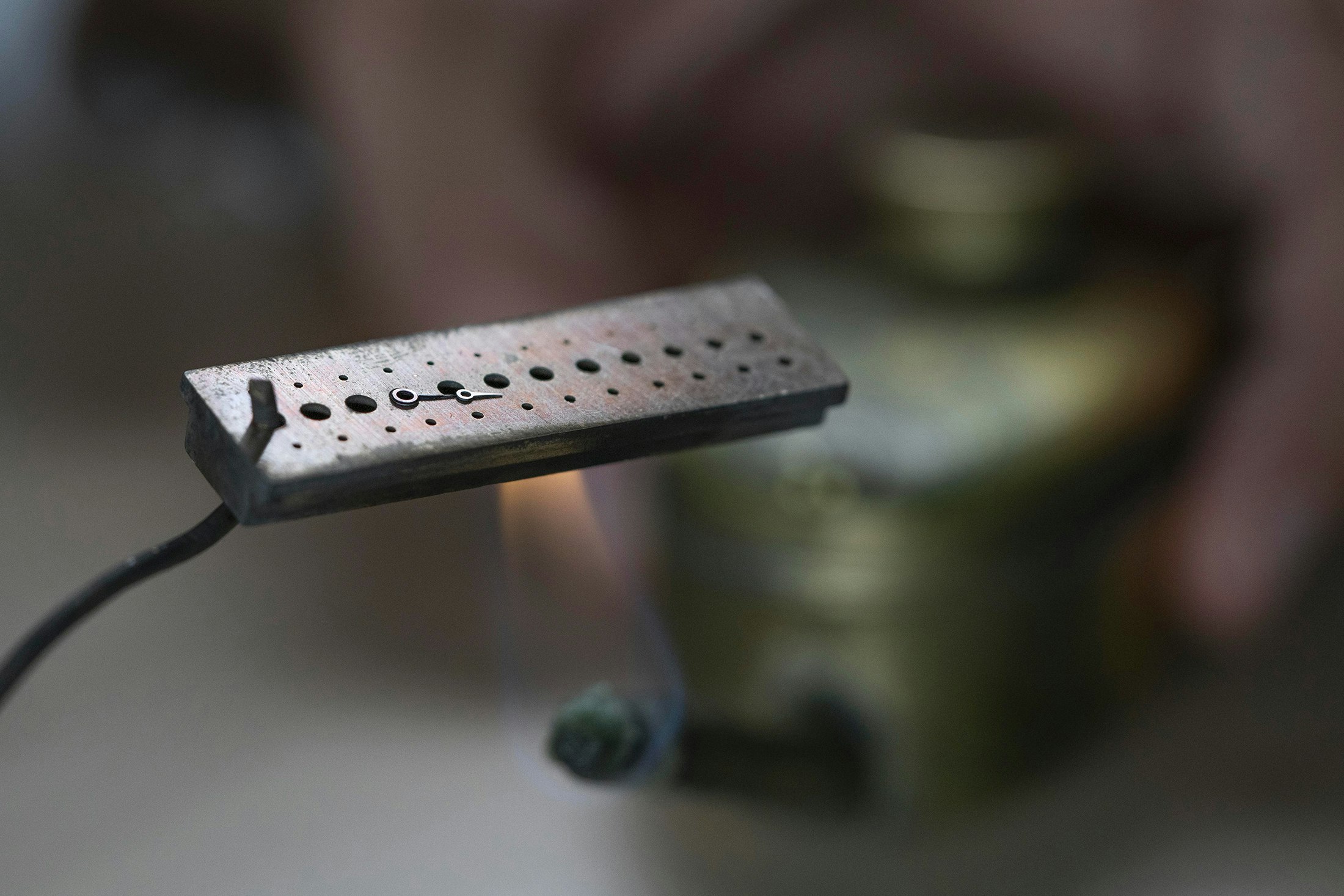
Warmth-tempering the arms on a metallic block over a gasoline flame.
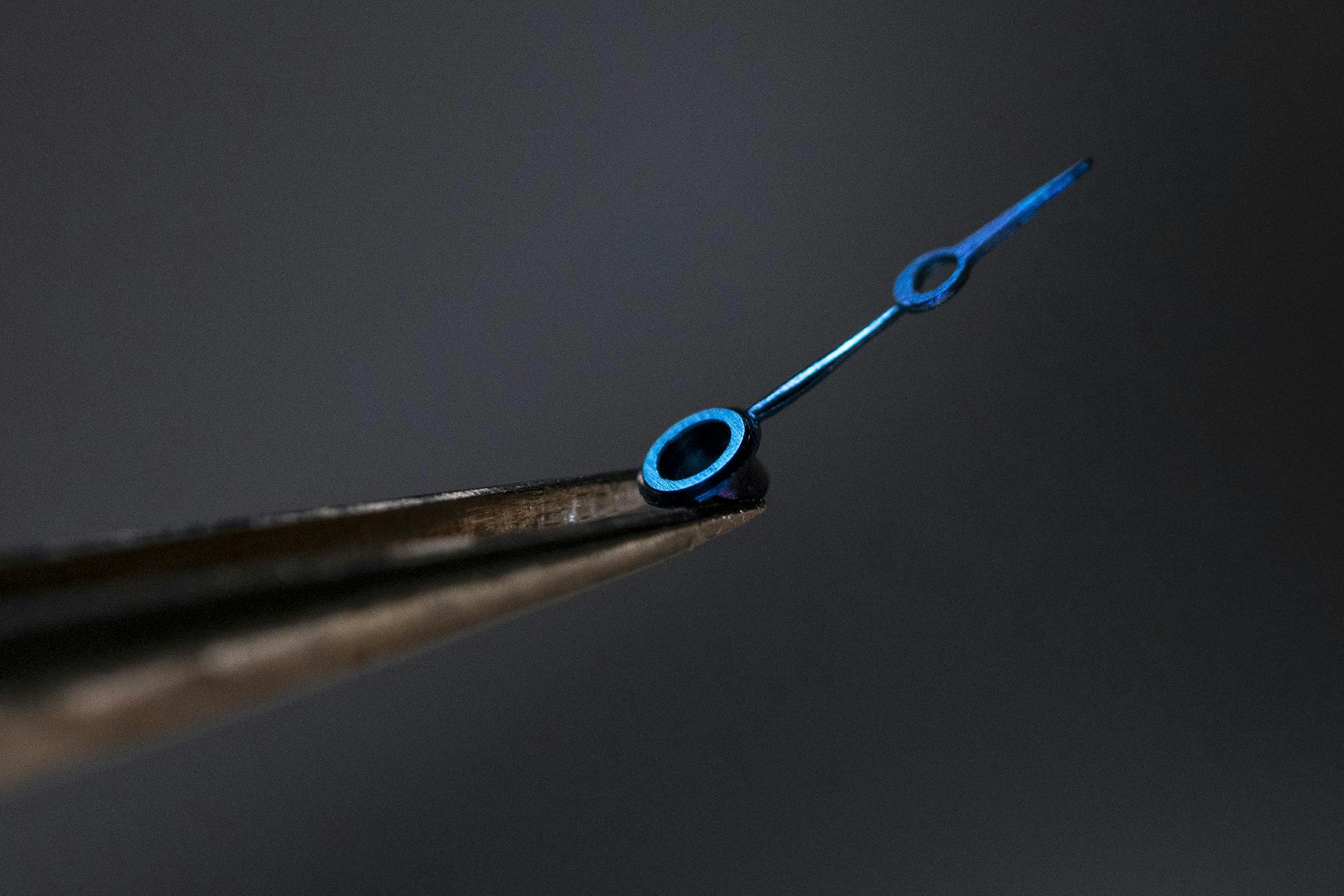
The metal hand after being dropped at a blue mood.
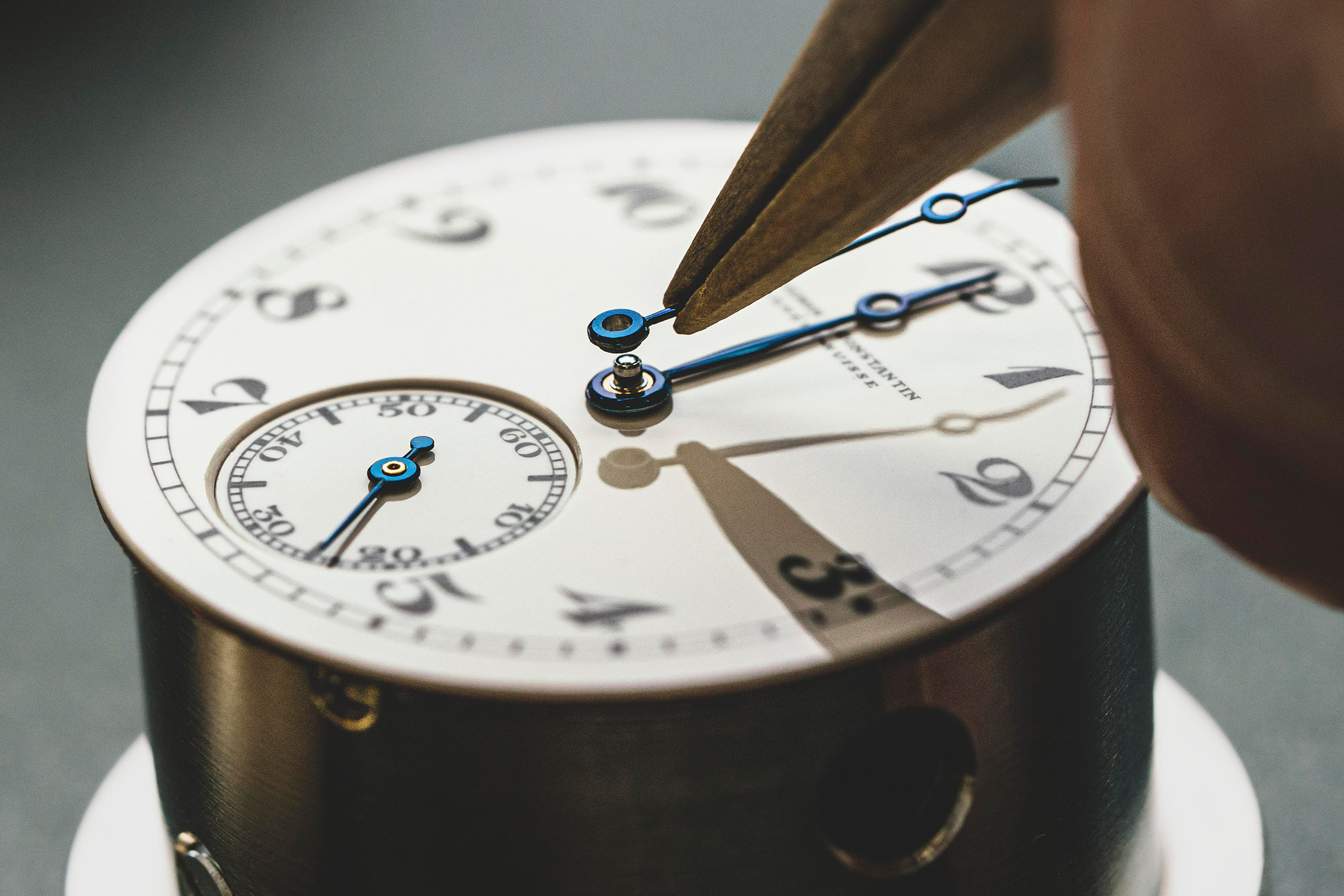
Setting the minute hand.
One factor that hasn’t modified for the reason that Twenties: Watch arms are nonetheless friction-fit onto their posts. The hour and minute arms are set by hand in order that they’re precisely parallel, with simply sufficient clearance between them to run with out fouling one another or the small seconds hand (one of many first issues I realized after I began engaged on classic pocket watches was that if a watch stopped for no purpose, the very first thing to verify was if the arms had loosened on their posts and began rubbing towards one another or the dial. Generally on older watches, you’ll be able to see arc-shaped scratches on the dial attributable to loose-fitting or incorrectly set arms). I really feel good for the arms on the distinctive piece – that they had been sitting in a drawer by a despair, two World Wars, the daybreak of manned area flight, the quartz disaster, the digital revolution, and the start of the World Extensive Internet earlier than lastly fulfilling their future, however they obtained there in the long run.
Outdated Faculty Engine: The Motion
The motion – known as merely a Calibre Nouveau in Vacheron’s archives – used within the unique watch, is an 11 ligne (in case you are questioning what a ligne is surprise no extra) hand-wound motion. It’s loaded with old style allure – the primary bridge is barred, moderately than curved, with beautiful sharp inside angles and a clear, logical, easy structure which has served positive watchmaking effectively ever since Lépine invented bridge actions within the mid-18th century. All of the cell elements of the motion are new outdated inventory, from the Twenties. This consists of the wheels, mainspring barrel, pinions, and naturally, the escapement, stability, and stability spring – a plain blued metal spring with a Breguet overcoil.
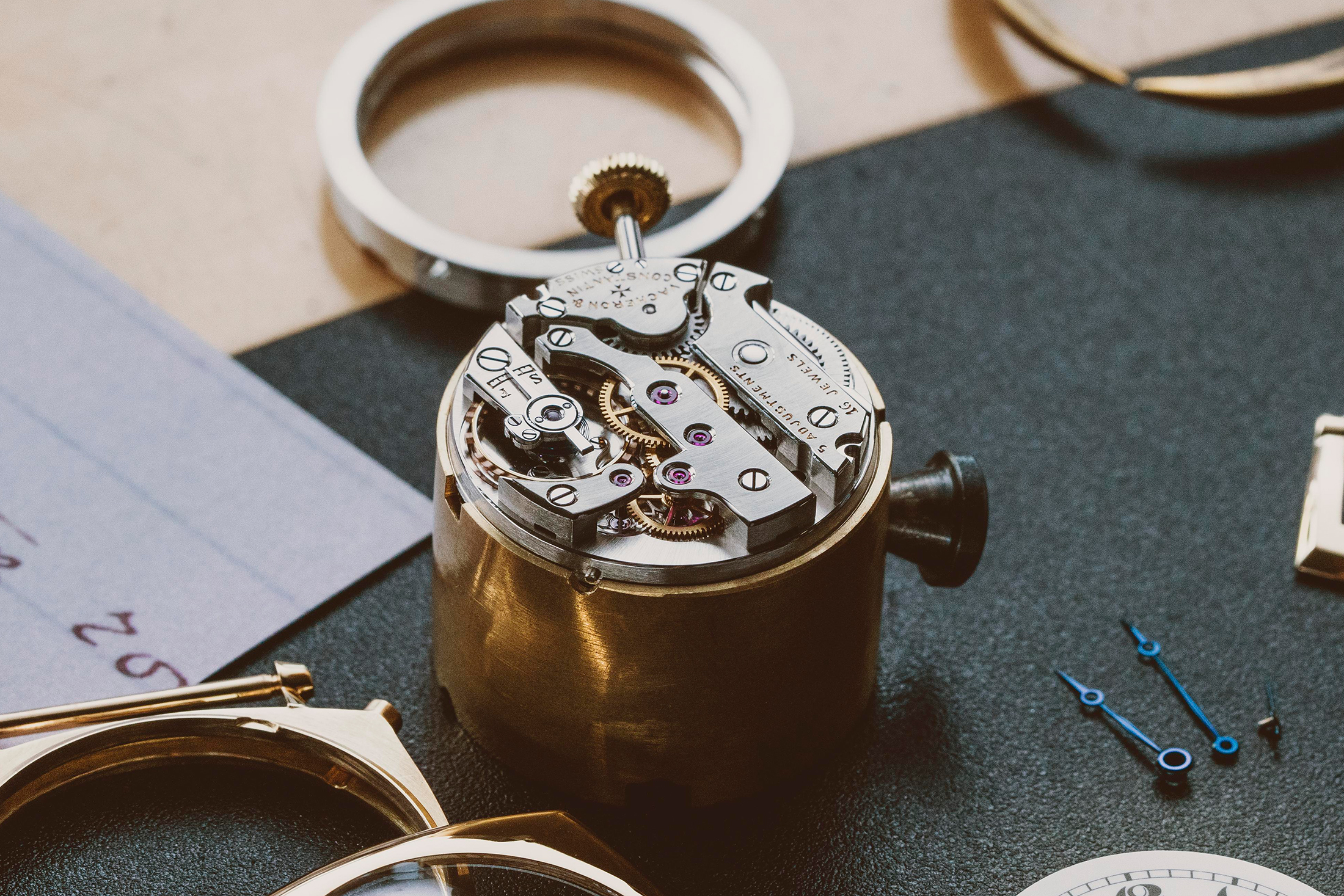
The motion of the distinctive piece, in a customized made motion holder.
The stability is extraordinarily thrilling in case you are keen on labor-intensive anachronisms – it’s a lower, bimetallic, temperature compensating stability. At present, stability springs are composed of supplies that don’t change elasticity considerably when the temperature modifications. Plain metal stability springs, nonetheless, turn out to be roughly stiff because the temperature falls or rises, which might trigger the watch to run quicker or slower. The bimetallic stability is manufactured from two strips of laminated brass and metal, and it really will increase or decreases in diameter because the temperature modifications, to compensate for modifications in stability spring elasticity – therefore the time period, “compensating stability.”
The plates and bridges are the one components of your entire watch which were made with trendy manufacturing strategies. Each had been made utilizing German silver, and lower on a multi-axis, computer-controlled lathe. The explanation for doing this was pragmatic – it was to make sure that important dimensions had been inside specs obligatory for easy and dependable operating of the watch. You’ll discover that there are not any Geneva stripes – it is because Geneva stripes weren’t used on the unique motion both. In the event you look intently, you’ll additionally discover that there isn’t a antishock system on the stability pivots, which can also be period-correct (albeit it means you must deal with the watch rigorously – drop a pocket watch with no antishock system six inches onto a tough floor, and also you’ll bend or break the stability wheel pivots).
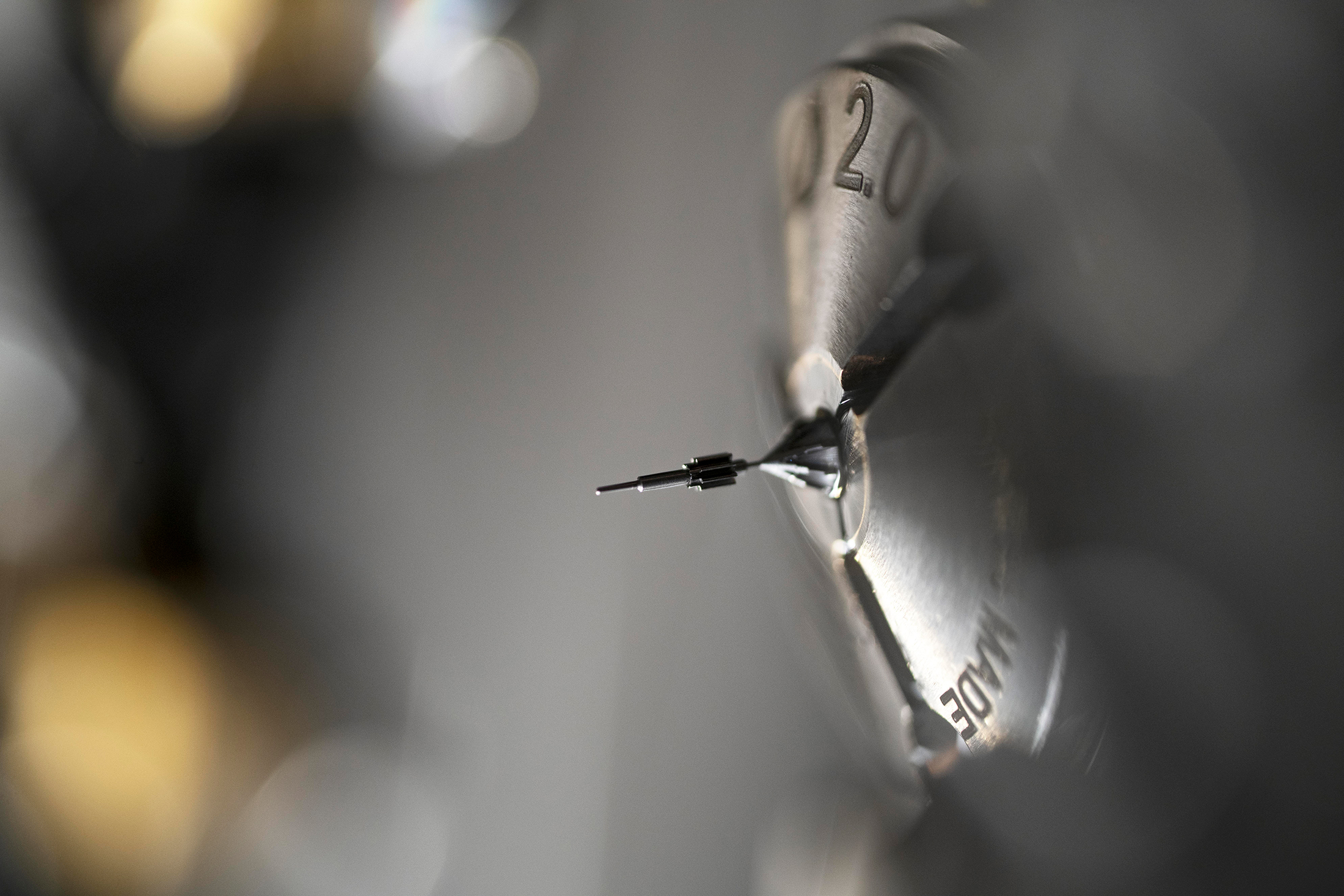
The pinion of a gear within the gear practice, which sits in a ruby jewel bearing.
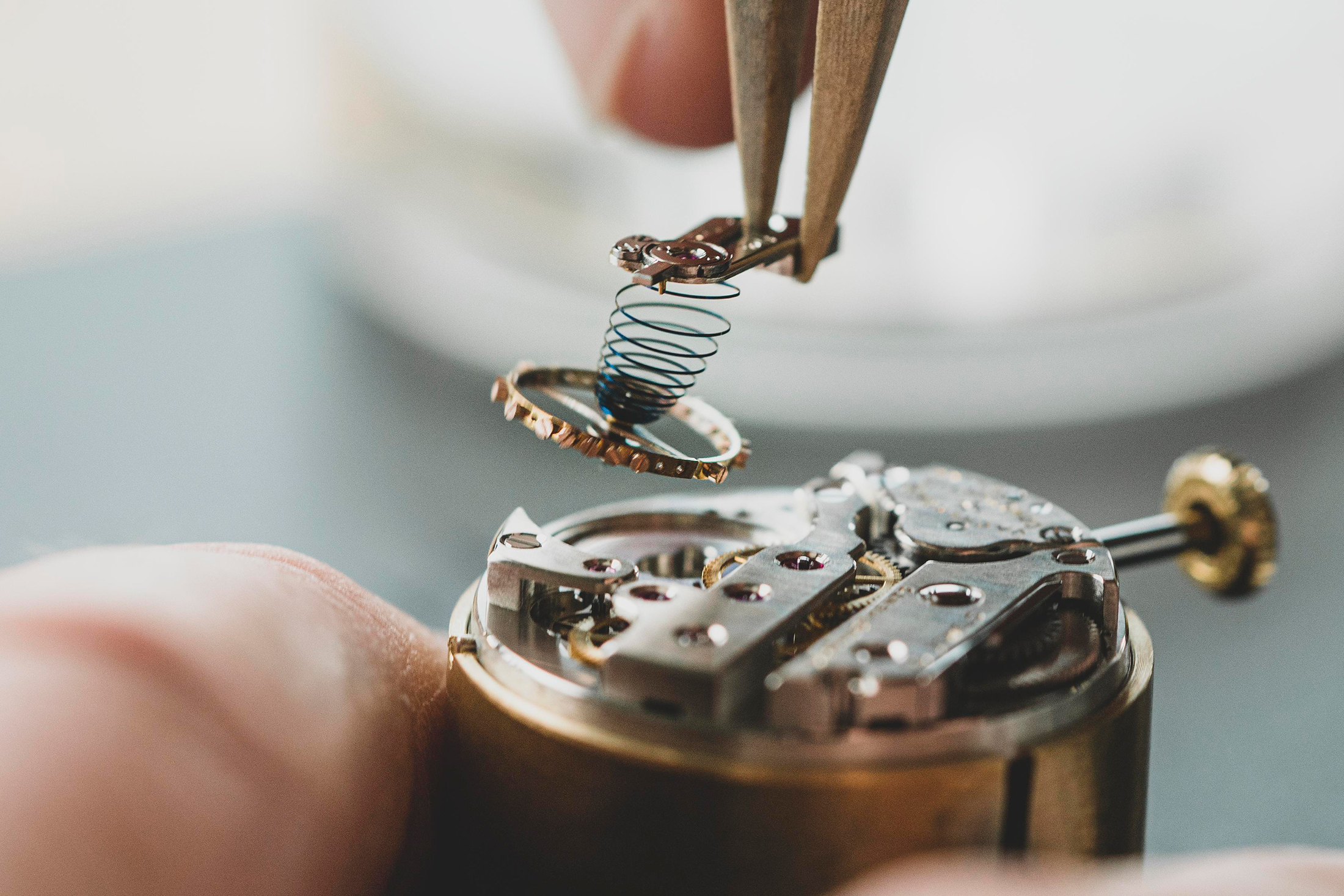
Putting the stability within the motion.
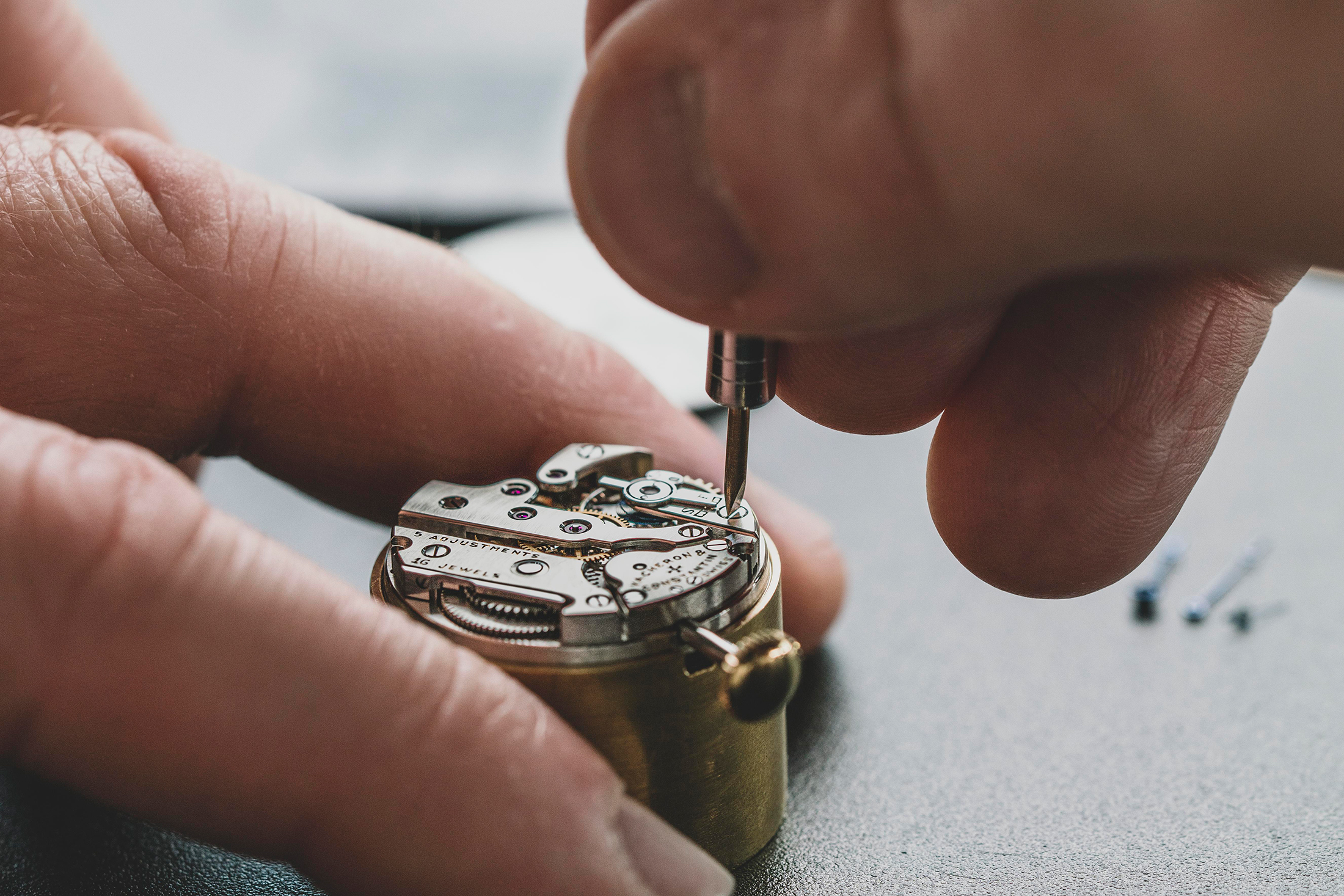
One explicit problem Vacheron confronted was setting the jewels for the stability and going practice. Typically talking, these days jewels are set by machine, and friction-fit into holes milled into the motion. Setting jewels by hand is a little more concerned. The scale are unforgiving – the perfect in watchmaking is what watchmakers name, “free however with out shake,” which means that the pivots of the gears can rotate freely, however that tolerances are tight sufficient that there’s no extra motion. This is without doubt one of the most elementary challenges in watchmaking – a really precise match would produce sufficient friction to cease the motion, however too free, and you’ve got a much less exact timekeeper.
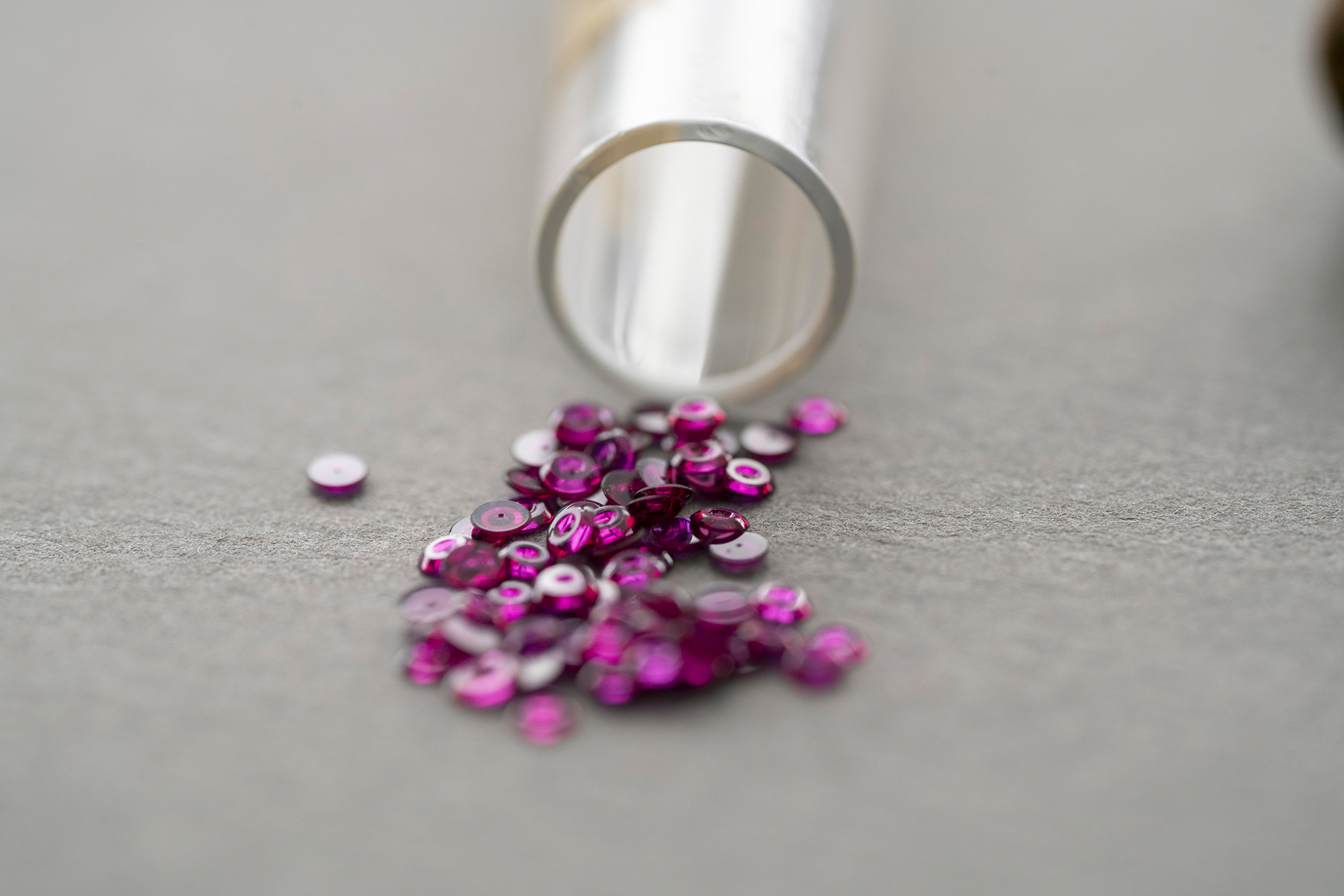
New outdated inventory jewels, able to be set into the motion plate and bridges.
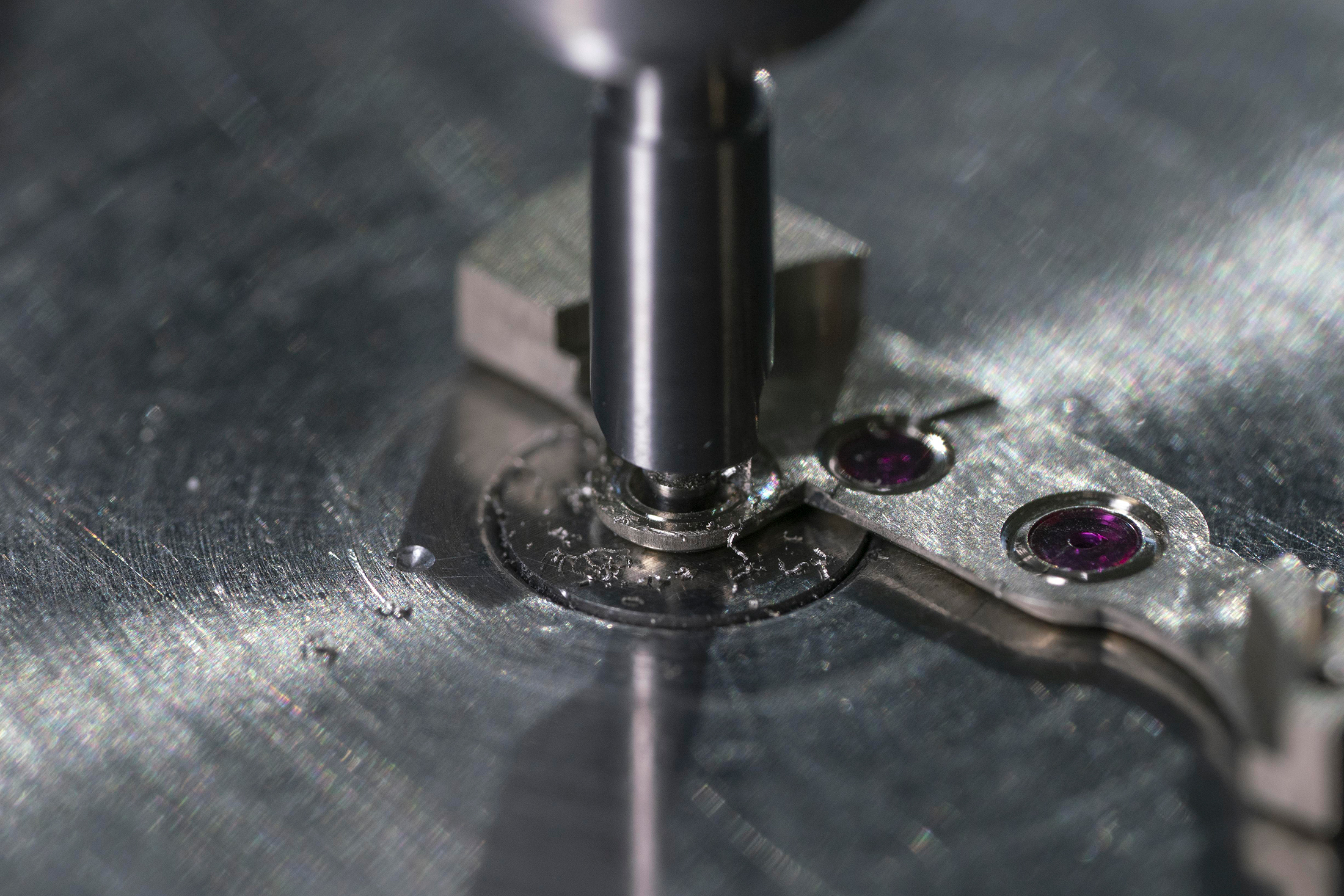
Setting the jewels.
For the distinctive piece, the jewels had been first pressed into place, utilizing a tool known as a staking device. The setting of every jewel is then accomplished by elevating the metallic round it to safe it in place – a course of much like methods used to set gem stones in jewellery. The holes for jewels within the mainplate and bridges had been drilled utilizing an 18th century upright drilling device.
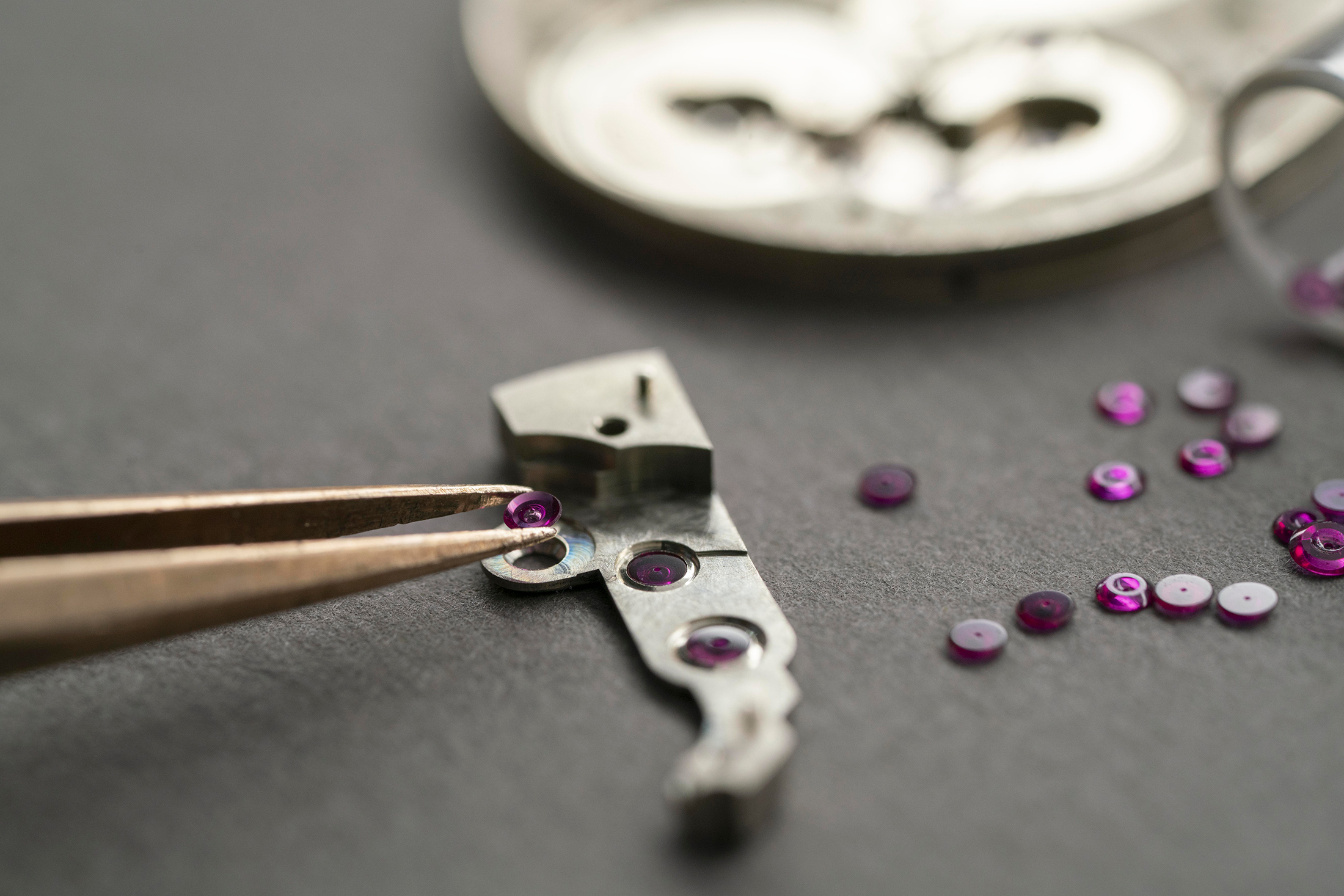
The central bridge for the motion, with jewels for the middle, third, and fourth wheels.
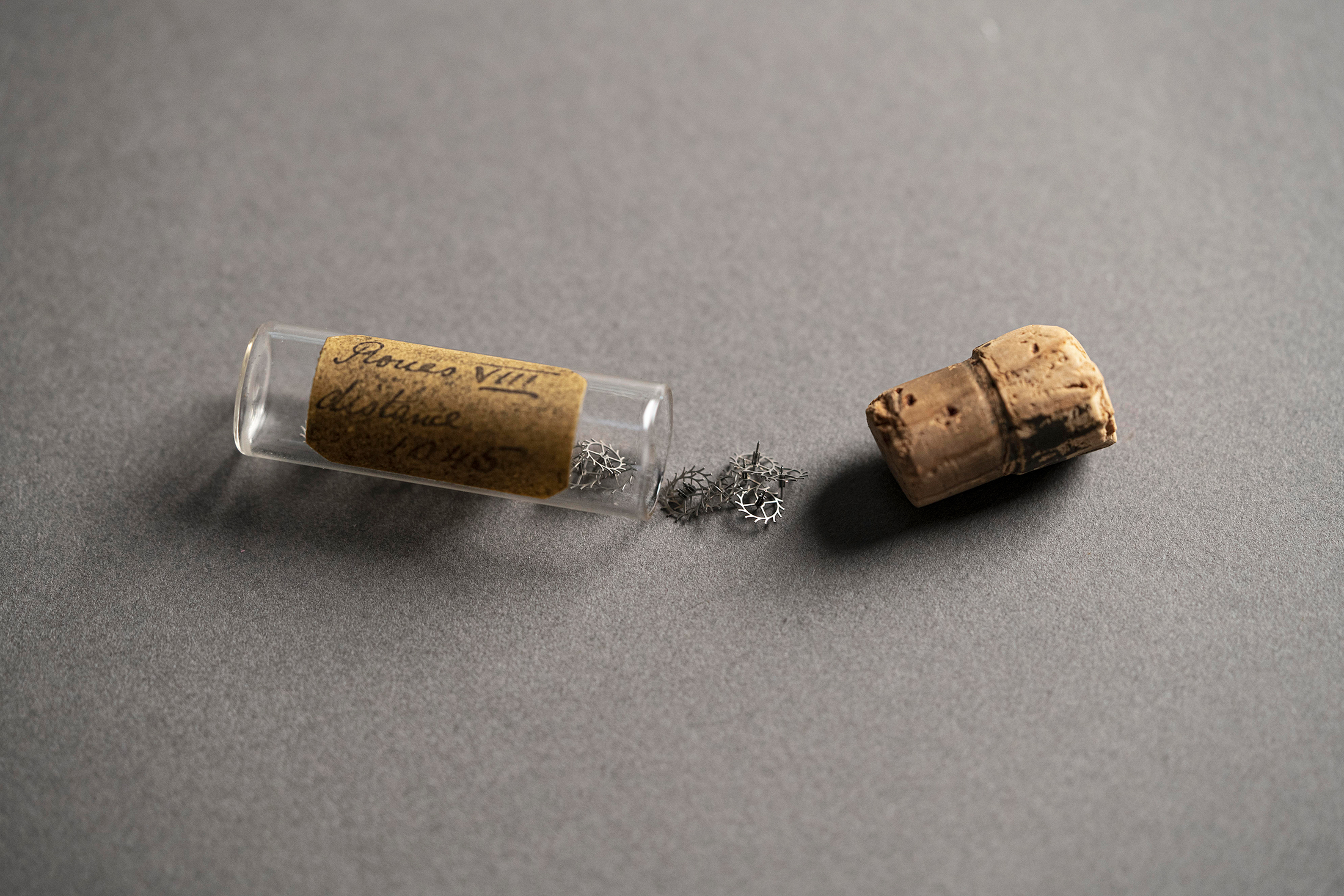
A vial of outdated inventory escape wheels.
The wheels and pinions are unique, archival elements. “Wheel” means the bigger diameter gear, and a pinion is the smaller gear on the identical axis because the bigger – wheels drive pinions, which implies every wheel within the gear practice turns quicker than the one earlier than it. The person gear enamel within the motion had been formed and polished utilizing an 18th century “rounding up” (or “topping”) device. All of the motion ornament, together with sprucing the flanks of bridges, beveling and sprucing the sides, and engraving, had been performed by hand as effectively.
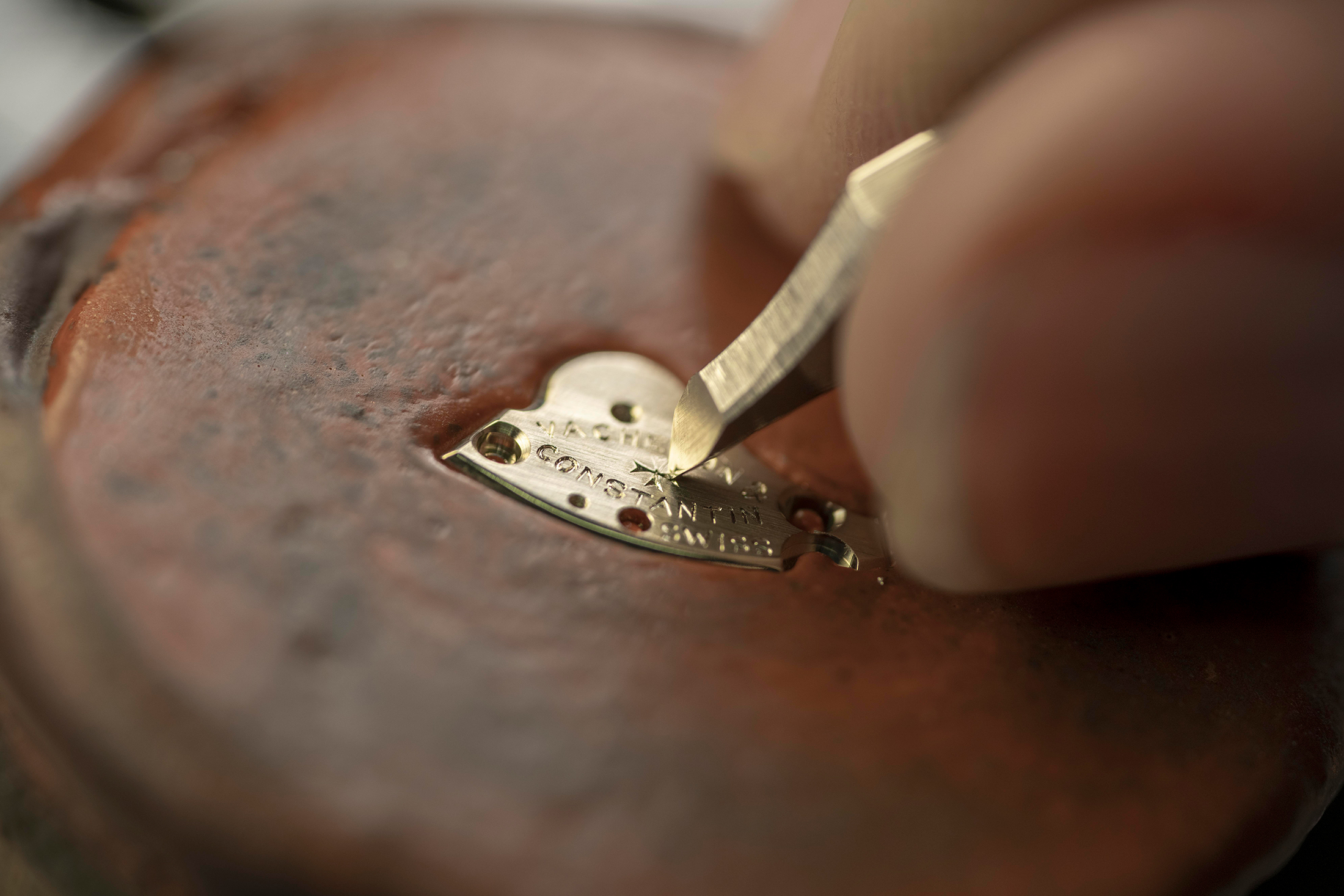
Previous, Current, And Future
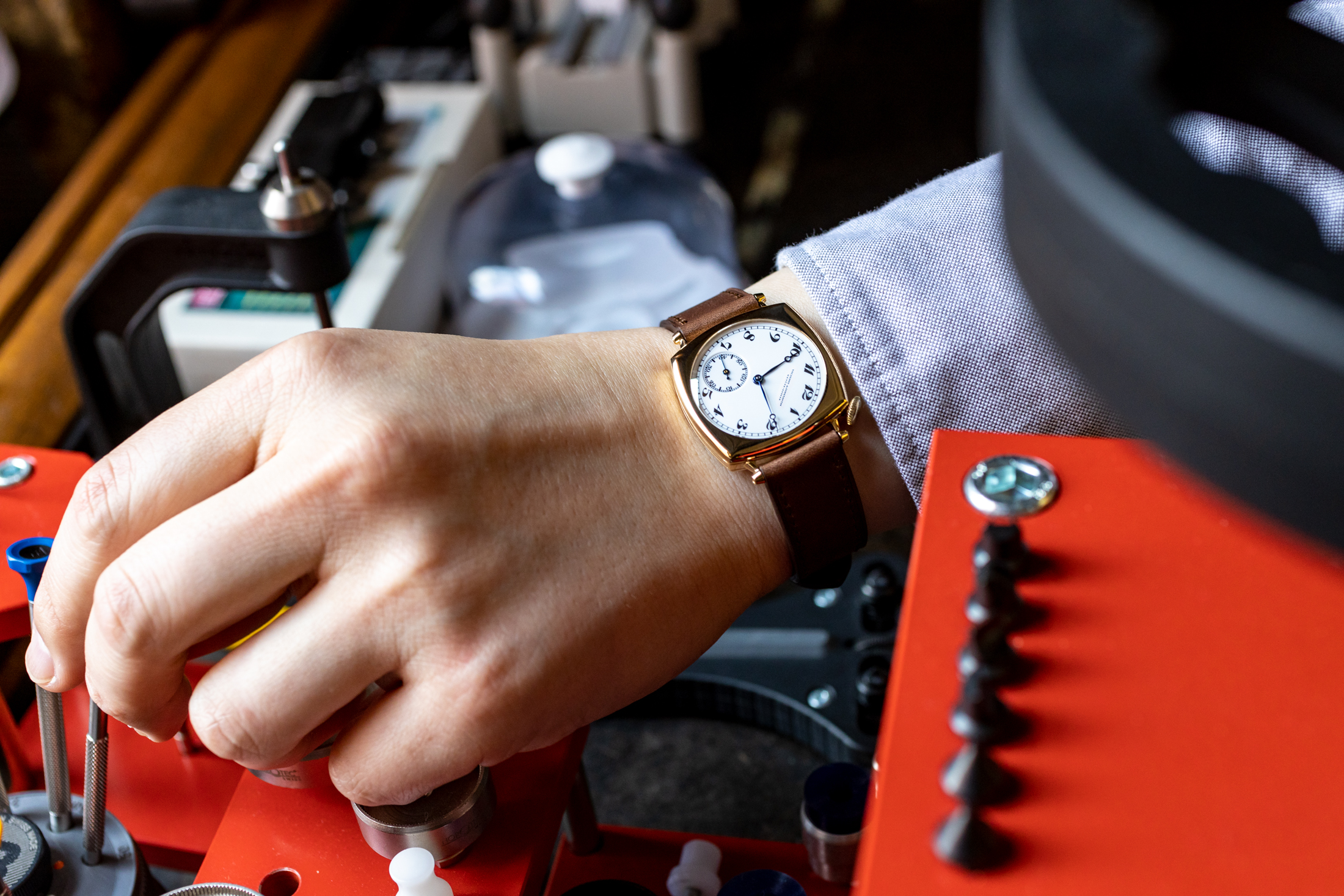
The results of all this effort is a watch that’s, greater than is normally the case in mechanical horology, an actual museum of watchmaking. The diploma to which Vacheron has recreated and reinvented long-dormant and even long-lost watchmaking methods is unprecedented in watches from a contemporary model – most likely the closest to it might be one thing from an unbiased maker like Roger Smith, however even his watches profit from extra updated high-precision machining strategies. The 1921 Pièce Distinctive is sort of willfully archaic – I’m unsure when the final new wristwatch with a lower stability was made, but it surely’s been many many years (at a guess I might say, someday within the late Thirties or early Nineteen Forties) and a lot of the methods and instruments on show on this watch, haven’t been seen in some instances, in near a century.
Photograph, Tiffany Wade
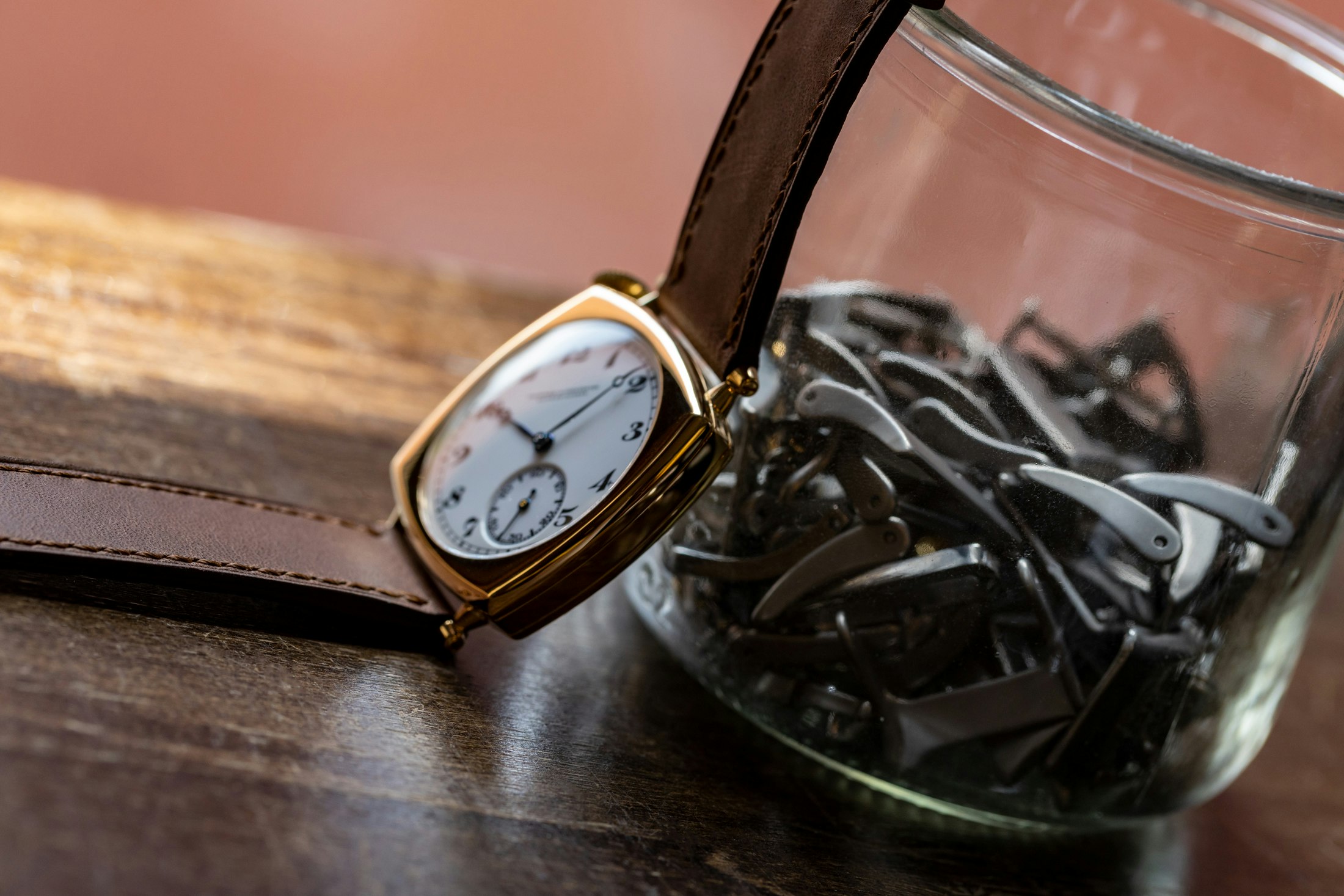
Vacheron hasn’t determined the place the Pièce Distinctive 1921 will ultimately discover a dwelling, however to cite everybody’s favourite extraordinarily careless archaeologist, Indiana Jones, I personally suppose ” … it belongs in a museum!” Wherever it does find yourself, nonetheless, I hope it stays attainable for as many members of the watch-loving public to see it as attainable. It actually doesn’t signify the reducing fringe of state-of-the-art trendy horology. However to grasp simply how the craftsmen-scientists of an earlier period managed to provide a transportable, high-precision timekeeper utilizing largely hand-tools and hand methods is to higher recognize how far watchmaking has come right now – and to higher recognize, as effectively, simply what the often-used time period “handcrafted” actually means.
