

Caring for your Aviator Nation sweatshirts and wardrobe pieces extends far beyond simple laundry routines; it is an essential practice in preserving the integrity, comfort, and vibrant character of their high-quality materials. Thoughtful maintenance can effectively double the lifespan of a cherished garment, transforming a favorite piece from a seasonal item into a lasting staple. This is particularly vital for apparel that often features premium natural and blended fibers, where proper technique ensures the fabric remains luxuriously soft and colors stay true. Furthermore, this mindful approach aligns with impactful sustainable action. By extending the active life of our clothing, we directly combat the staggering issue of textile waste, which contributes over 92 million tonnes to global landfills annually. Therefore, nurturing your Aviator Nation collection represents a dual commitment: to protect your investment in exceptional craftsmanship and to participate in a more responsible fashion cycle. This intrinsic value of durability and conscientious care is a cornerstone often celebrated in insightful Aviator Nation reviews.
Core Tenets for Enduring Garment Quality
-
The Inside-Out Protocol: Reversing garments before washing is a critical first defense. This shields the outer fabric and prints from abrasive friction during the cycle, dramatically reducing pilling and color fading.
-
The Cold & Gentle Imperative: Washing with cold water on a gentle or delicate cycle is non-negotiable. This combination preserves fiber strength, prevents shrinkage, and minimizes stress on seams, forming the foundation of intelligent apparel care.
-
Air-Drying as Gold Standard: Eschewing the mechanical dryer in favor of air-drying is paramount. This method safeguards the garment’s original shape, size, and textured hand-feel, preventing the cumulative heat damage that degrades even the most robust fabrics.
The Science and Art of Washing: Techniques for Purity and Preservation
The laundering process, often the most abrasive stage in a garment’s life, demands a shift from automation to intention. Mastering this stage sets the foundation for long-term preservation.
The Essential Practice of Turning Garments Inside Out
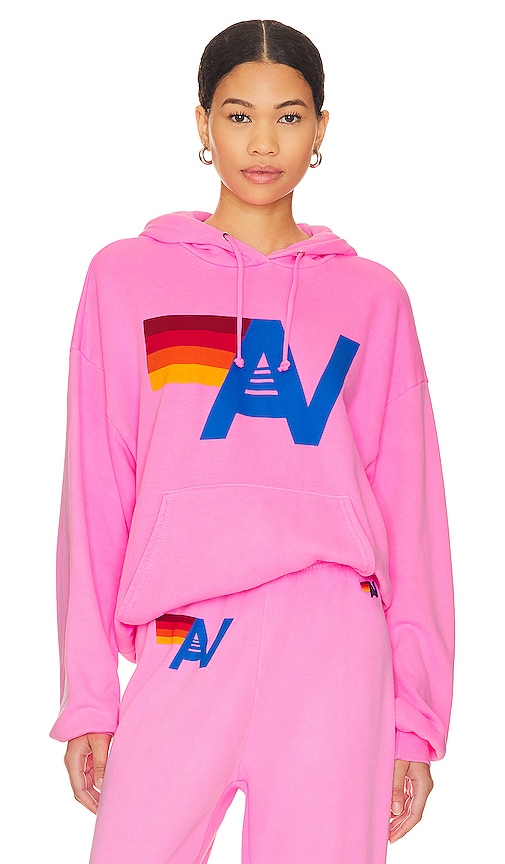
This simple, yet profound, step creates a protective barrier for your apparel. By turning a sweatshirt or pants inside out, the inner lining—typically a smoother fabric—absorbs the mechanical action of the wash cycle. This shields the exterior face from the friction that causes micro-tears, fabric pilling (those annoying little balls of fiber), and the gradual dulling of vibrant screen prints or embroidered logos. For items with graphic designs or textured fabrics, this step is indispensable. It works synergistically with cold water and mild detergent to facilitate a clean that respects the garment’s very construction.
Adherence to Cold Water and the Gentle Cycle
Heat and agitation are the twin adversaries of textile longevity. Cold water washing is essential because it prevents the breakdown of delicate fibers and the permanent setting of stains, while simultaneously ensuring dyes remain locked in and do not bleed. For the premium cotton, fleece, and blended fabrics characteristic of Aviator Nation, cold water maintains the material’s natural resilience, loft, and softness. The gentle cycle complements this perfectly by drastically reducing the intensity of tumbles and spins. This low-impact motion cleans effectively without the violent twisting and stretching that can misshape garments and strain seams over time, effectively mimicking a more respectful, hand-wash environment.
The Strategic Elimination of Fabric Softeners and Bleach
While marketed as laundry enhancers, commercial fabric softeners and chlorine bleach are often detrimental to premium apparel. Fabric softeners frequently deposit a thin chemical coating on fibers, which can break down elasticity, reduce the fabric’s natural moisture-wicking ability, and ironically, attract more dirt over subsequent wears. For Aviator Nation’s signature soft fleeces, this residue can flatten the nap and diminish the coveted, broken-in cozy feel. Chlorine bleach is a harsh oxidizing agent that indiscriminately weakens fabric fibers, leading to brittleness, yellowing, and premature disintegration. Instead, opt for a mild, liquid detergent free from optical brighteners and heavy perfumes. For whitening or stain treatment, oxygen-based bleach (color-safe bleach) serves as a far gentler and more fabric-friendly alternative.
The Critical Philosophy of Drying: Patience as Preservation
If washing is where potential damage can begin, improper drying is where it becomes irreversible. Rushing this process undermines all careful washing efforts.
Prioritizing Air-Drying for Optimal Fabric Integrity
Air-drying is the single most beneficial practice for garment preservation, involving zero heat stress and zero mechanical agitation. To air-dry correctly, gently reshape the damp garment to its original dimensions, paying attention to smoothing out seams, hems, and cuffs. Lay it flat on a clean, breathable drying rack or a mesh surface, ensuring it is kept away from direct sunlight, which can fade colors. It is crucial to avoid hanging heavy, wet knits like sweatshirts, as the weight of the water will pull and distort the shoulders and neckline. Flat drying preserves the precise, comfortable fit and drape intended by the designers.
Understanding the Destructive Impact of Dryer Heat
Tumble dryers, particularly on high heat, pose a triple threat: intense thermal shock, constant mechanical friction, and rapid, uneven moisture loss. High heat is the primary catalyst for shrinkage, causing natural and synthetic fibers to contract violently. It also accelerates color fading and can essentially “bake” any residual stains or detergent into the fabric, making them permanent. The tumbling action itself continues the abrasive process initiated in the washer, vigorously encouraging pilling on the fabric surface.
The Low-Heat Compromise: A Calculated Exception Only
Should air-drying be entirely impractical, the dryer may be used as an absolute last resort, strictly under controlled conditions. Select the lowest heat setting available, such as “Air Fluff” or “No Heat/Tumble,” which utilizes room-temperature air. A preferable method is to use the dryer for just 10-15 minutes on a low-heat setting to remove the initial dampness, then immediately transfer the garment to a flat surface to finish drying naturally. Always remove items the moment the cycle ends to prevent heat-set wrinkles and to avoid unnecessary additional tumbling.
The Strategy of Intelligent Storage: Creating a Protective Sanctuary
Proper storage between wears is the silent, ongoing guardian of your wardrobe, preventing gradual degradation from environmental factors.
The Superiority of Folding Over Hanging
For knitwear, fleece, and blended fabrics like those in Aviator Nation collections, folding is universally superior to hanging. Prolonged hanging places constant gravitational stress on the shoulders and neckline, causing these areas to stretch and lose their shape permanently. Folding distributes weight evenly and avoids these stress points. For optimal organization and to prevent deep, stubborn creases, fold along the garment’s natural seam lines. If drawer space is limited, techniques like “file folding” or rolling can maximize space while still adequately protecting the garment’s structure.
Shielding Apparel from Sunlight and Ambient Moisture
Ultraviolet light and humidity are two of storage’s most pervasive enemies. Direct or strong indirect sunlight acts as a slow but potent bleaching agent, causing even the most vibrant dyes to fade and whites to yellow over time. Always store clothing in a dark closet, drawer, or a storage container. Ambient moisture, conversely, invites mold, mildew, unpleasant musty odors, and can weaken fabric fibers. Avoid storing clothes in damp basements, garages, or attics. In humid climates, consider using a closet dehumidifier or placing moisture-absorbing silica gel packets among stored items.
Maintaining a Pristine, Dedicated Storage Environment
Storage areas should be as clean as the clothes they hold. Dust and dirt particles can settle on fabrics, attracting pests and soiling items before they are worn again. Shelves and drawers should be wiped down regularly. Crucially, garments must be completely clean and thoroughly dry before being stored, as residual body oils, salts, or moisture can attract insects and lead to localized discoloration or deterioration. Allow for adequate air circulation by avoiding overcrowding; clothes need space to “breathe” to remain fresh.
Proactive Stain Management: The Immediate Response Protocol
Stains are an inevitable part of life, but their permanence is not. A swift, calm, and correct response is the key to success.
The Critical Importance of Immediate Treatment
Time is the most significant factor in stain removal. The moment a spill occurs, gently blot—never rub—the area with a clean, absorbent cloth or paper towel to lift as much of the substance as possible. Rubbing grinds the stain particles deeper into the fiber matrix. For solid debris, carefully scrape it away with the blunt edge of a spoon or a butter knife. If possible, flush the back of the stain with a small, strong stream of cold water, pushing the substance out the way it entered, which helps prevent it from setting within the fibers.
Selecting and Applying a Gentle Stain Remover
After initial blotting, apply a modest amount of a gentle, purpose-made stain remover or a solution of mild detergent and cold water. Always conduct a spot test on an inconspicuous area, like an inner seam, first. Using your fingertips or a very soft-bristled brush, gently work the solution into the stain from the outside inward, containing the area and preventing it from spreading. Allow it to penetrate for 5-15 minutes before rinsing thoroughly with cold water. Avoid harsh solvents, undiluted dish soap, or laundry pods applied directly, as these can leave their own difficult residues.
The Gentleness Imperative: Avoiding Abrasive Action
Aggressive scrubbing, even with the best intentions, frays individual fibers, distorts the fabric weave, and can cause localized color loss. The goal is to lift and dissolve the stain, not to force it out through physical abrasion. Patience and repeated gentle applications are often more effective than a single vigorous assault. If a stain persists after treatment, repeat the process before proceeding with a full wash. Most importantly, never place a garment in the dryer if a stain is still visible, as the heat will permanently set it into the fabric.
Holistic Habits for a Sustainable and Long-Lasting Wardrobe
Beyond specific cleaning protocols, broader, mindful habits contribute profoundly to extending the life and enjoyment of your entire apparel collection.
The Discipline of Sorting and Washing by Color Group
This fundamental rule remains essential for preserving visual appeal. Washing darks, lights, and brights separately prevents dye transfer, which can dull vibrant colors or cast a grey tinge over lighter items. It also allows for tailored wash cycles—darks may benefit from detergents formulated for color protection, while whites can be occasionally washed with a color-safe brightener without affecting other garments.
The “Less is More” Philosophy of Minimal Washing
Not every wear necessitates a full wash. Over-washing is a primary driver of textile degradation, as noted by textile sustainability scholars. The mechanical action, water, and detergent, even when used correctly, contribute to gradual wear. For items like sweatshirts or pants worn over another layer, airing them out thoroughly between uses is often sufficient. Implementing spot-cleaning for minor stains and using fabric fresheners or a steam refresh can dramatically extend the interval between full washes, preserving the garment’s substance and color.
Implementing a Conscious Wardrobe Rotation System
Consistently wearing the same few favorite items concentrates all natural wear and tear on them. By consciously rotating through your entire collection, you distribute this wear across a broader range of pieces. This practice gives each garment time to “rest” and recover its shape between wears, significantly extending the lifespan of your entire wardrobe. Furthermore, rotation fosters creativity, helps you rediscover and appreciate forgotten items, and provides clearer insight into your personal style and what you truly wear, enabling more mindful and sustainable future purchases.
Conclusion: The Rewarding Discipline of Conscious Garment Care
Caring for your Aviator Nation apparel is a simple yet deeply rewarding discipline that synthesizes practical wisdom, economic savvy, and environmental ethics. By methodically embracing the practices of washing in cold water, air-drying faithfully, storing with intention, and treating stains with immediacy and gentleness, you become an active steward of your investment. The long-term rewards are multifaceted: your garments maintain their superlative softness, vibrant colors, and perfect fit year after year; you realize meaningful financial savings by deferring the need for replacements; and you personally contribute to alleviating the colossal environmental burden of fashion waste. This holistic approach to maintenance ensures that your Aviator Nation pieces evolve beyond mere clothing into enduring emblems of comfort, style, and conscious consumption, ready to deliver their unique sense of relaxed confidence for countless seasons to come.
Frequently Asked Questions (FAQ)
How often should I wash my Aviator Nation hoodie or sweatshirt?
Wash only when visibly soiled or after multiple wears if odor is present. For light use, airing it out thoroughly may suffice for many wears. Remember, over-washing is the chief cause of premature aging for high-quality garments.
Is it safe to iron my Aviator Nation apparel if it becomes wrinkled?
Direct ironing is generally not recommended, especially on printed graphics, ribbed cuffs, or fleece materials. If pressing is necessary for a woven item (like certain pants), always turn the garment inside out, use the absolute lowest heat setting possible, and place a clean press cloth (like a thin cotton handkerchief) between the iron and the fabric to prevent shine, scorch marks, or melting of any synthetic blends.
What can I do if my Aviator Nation clothing accidentally shrinks?
Prevention through strict cold-water washing and air-drying is paramount. If minor shrinkage occurs, you can attempt gentle remedial stretching while the garment is still damp. Lay it flat on a towel, manually and evenly tug the fabric back to its original dimensions along the seams, and pin it in place until completely dry. Success is not guaranteed and depends on the fiber content, highlighting the critical importance of proper care from the very first wash.
